Immunology, interdisciplinarity and talent, the foundations of the CaixaResearch Institute
24.04.26
10 minutes readSend your questions to:
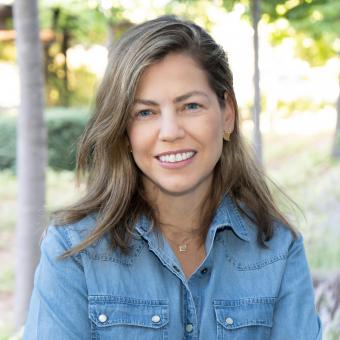
Biochemist, PhD in Immunology, senior group leader at the CaixaResearch
Institute and cofounder of Galtec
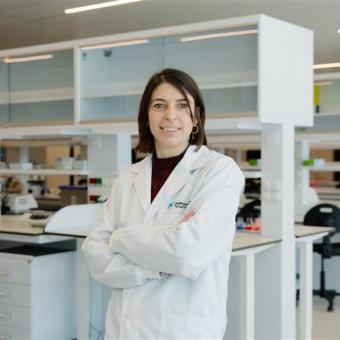
Neurologist specialised in neuro-oncology, PhD in Medicine, and senior group leader at the CaixaResearch Institute
Request interviewPhD in Biochemistry, specialized in Immunology and Senior Group Leader at the CaixaResearch Institute
Request interviewBiologist, PhD in Immunology, and consolidated group leader at the CaixaResearch
Institute
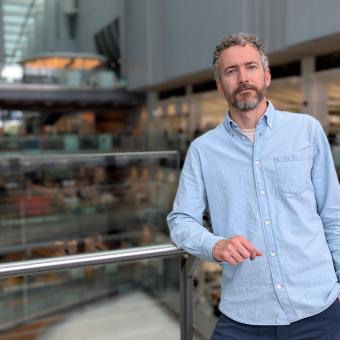
Biologist specialised in biomedicine, PhD in Immunology and junior group leader at the CaixaResearch Institute
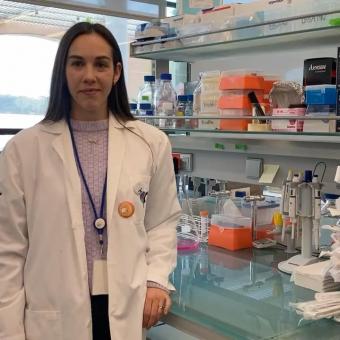
Request interviewBiochemist, researcher in neuroimmunology, and junior
group leader at the CaixaResearch Institute
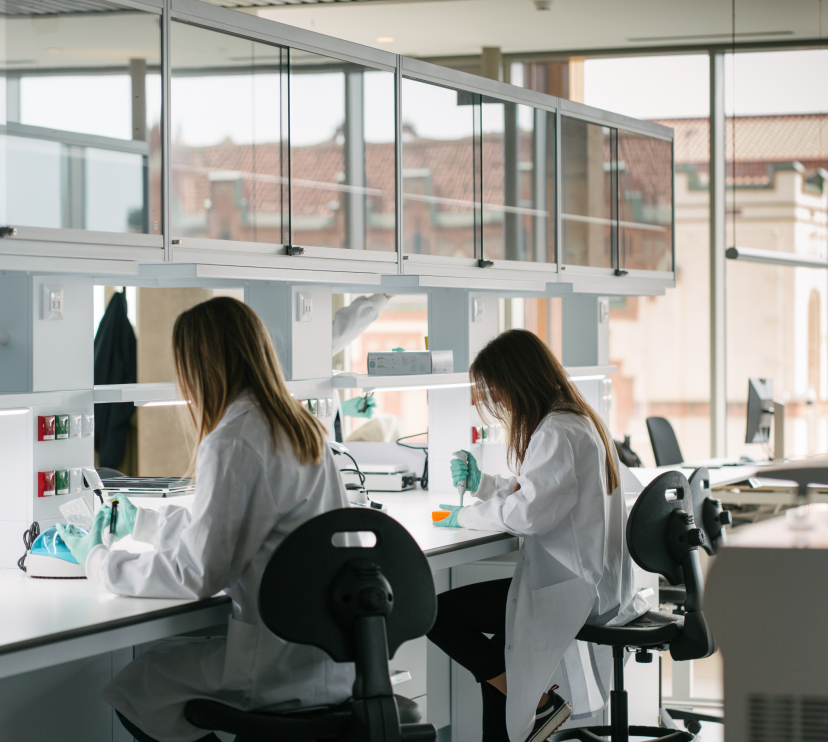
Placing immunology at the centre, harnessing the opportunities that arise from connecting biomedical research disciplines, and attracting scientific talent: these are the foundations upon which the CaixaResearch Institute is built. This new centre, promoted by the ”la Caixa” Foundation, is committed to cross-disciplinary science that is closely linked to clinical practice and focused on transforming knowledge into solutions for society.
For years, biomedical research has been organised around specific diseases, an approach that has driven great advances but has also compartmentalised shared questions across disciplines that have not always engaged with one another. The CaixaResearch Institute has been created to unlock the opportunities that emerge from connecting disciplines, proposing immunology as a common language through which to study different pathologies from a joined-up, integrated and collaborative perspective.
With the immune system as the integrating axis between biological mechanisms, disciplines and technological approaches, the centre aims to gain a deeper understanding of its role in both health and across a range of disease processes, while accelerating the translation of this knowledge into prevention strategies, diagnosis and new therapies. Its vocation is clearly translational: it seeks not only to understand how immunity works, but also to connect that knowledge with real clinical needs.
In this ambition, collaboration with the ecosystem of centres supported by the ”la Caixa” Foundation is fundamental. Close links with the clinical practice of some of these centres, such as the Institut de Recerca Sant Joan de Déu or the Vall d’Hebron Institute of Oncology (VHIO), will help accelerate the translation of scientific advances into medical practice for the benefit of patients.
To this end, the institute is structured around three main scientific pillars: immunology and disease, exposome sciences and systems immunology, and engineering. These are conceived as broad areas of knowledge with strong cross-disciplinary potential and opportunities for collaboration.
Immunology and diseases
This first pillar is based on a clear premise: immunology acts as a common thread between a wide range of pathologies. The general objective is to understand precisely how the immune system functions in health, as well as to comprehend how its dysregulation contributes to the onset and progression of diseases. This will make it possible to translate that knowledge into prevention strategies, early diagnosis and more targeted treatments. The idea is to look at cancer, infections and neuroimmunology through the same immunological lens, because they share mechanisms and questions.
The areas addressed within this pillar include some of the most prevalent diseases with the highest mortality rates, such as cancer, infectious diseases, neurodegenerative diseases and cardiovascular diseases. This is not, however, a closed list: new fields may be incorporated as the institute evolves and new lines of research and approaches emerge.

Exposome sciences
Beyond genetics, a large part of our health is shaped by the environment in which we live. This set of exposures accumulated throughout life (air, diet, stress, habits or social conditions), which we call the exposome, leaves a continuous imprint on the body, including our immune system.
For this reason, the institute incorporates exposome sciences as one of its pillars: to integrate the environmental and social dimension into the study of immunity and disease. The ambition is not only to measure these exposures, but also to understand how they influence biological processes in health and disease, with the immune system acting as the interface between the environment and the body’s physiology (or pathology). Studying of all these factors shifts the focus beyond diseases and their treatments, opening up new avenues for prevention by enabling the identification of factors that determine the risk of developing certain conditions or contribute to their progression.
“I believe that the great opportunities for the CaixaResearch Institute lie in trying to integrate the exposome with immunological markers to truly understand the way in which the environment affects immunology and can lead to disease. That is where the great opportunities are,” explains Dr Martine Vrijheid, epidemiologist and director of the Environment and Health over the Lifecourse Programme at ISGlobal.
Systems immunology and engineering
Understanding immunity requires viewing it as a dynamic network in which multiple cells, molecules and signals interact in a coordinated way. From this perspective, systems immunology aims to understand how these components are collectively organised and regulated, and why these interactions may vary between individuals or across different disease contexts.
This pillar is supported by new omics technologies, computational biology and artificial intelligence, which now make it possible to study the immune system with an unprecedented level of detail and integration. The goal is to identify patterns and relationships that previously went unnoticed, to better understand the complexity of immune responses, and to develop models capable of predicting risk, the progression of certain diseases, and therapeutic responses. Within this pillar, data science and the analysis of large-scale datasets become structural elements of the research methodology.
For Yolima Cossio, Director of Digital Strategy and Data at the Hospital Sant Joan de Déu Barcelona, “this connection will make it possible to better exploit available knowledge and move towards more precise models that are closer to patients’ real-world experience.”
The best talent to advance immunology
A collaborative philosophy also underpins the creation of the centre’s scientific team. The CaixaResearch Institute aims to build a scientific community capable of working across disciplines, fostering connections and expanding international collaboration networks, while avoiding the emergence of silos. In line with this approach, the institute has already confirmed the participation of several leading scientists who exemplify this ability to build bridges between different fields.
One of them is Dr Gabriel Rabinovich, an Argentine biochemist who holds a dual affiliation with the CaixaResearch Institute and the Institute of Biology and Experimental Medicine, a research centre jointly run by the University of Buenos Aires and the Argentinian National Scientific and Technical Research Council (CONICET). Dr Rabinovich discovered the functions of galectins, proteins that act as “switches” of the immune system by recognizing sugars on the cell surface. This function can be beneficial in certain autoimmune diseases where the immune system mistakenly attacks the body, but may also allow some tumours to evade immune detection. From this conceptual perspective, his research seeks to understand how to manipulate this mechanism to open up new therapeutic avenues in cancer, inflammation and autoimmunity.
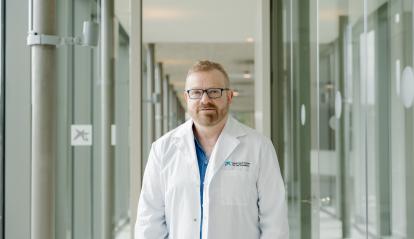
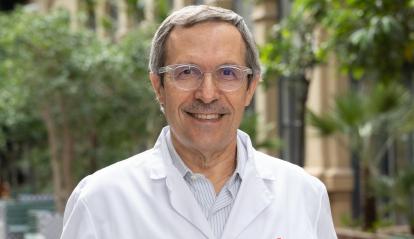
Meanwhile, Dr Josep Dalmau is another senior principal investigator who has joined the CaixaResearch Institute. A neurologist with a dual appointment between IDIBAPS–Hospital Clínic de Barcelona and the institute, he is internationally recognised for discovering several autoimmune encephalitis syndromes – conditions in which the immune system mistakenly attacks certain neuronal proteins, disrupting normal brain function. His findings have been key to identifying these disorders, which were previously misdiagnosed as viral infections or psychiatric conditions. His research focuses on understanding why these immune responses against the brain occur and how to translate these advances into faster diagnoses and more effective treatments.
Furthermore, Dr Maria Mittelbrunn, currently head of the Immunometabolism and Inflammation Laboratory at the Severo Ochoa Molecular Biology Centre, will join in the autumn as a senior group leader. An immunologist specialising in the study of ageing in the immune system, her research has delivered key advances in understanding the decline that occurs with age in immune cells and the impact of this process on the development of disease. In particular, she has demonstrated that certain cellular mechanisms can modulate ageing, opening the door to strategies to delay it. Her work lies at the intersection of immunology and the biology of ageing, with the aim of identifying new therapeutic targets in inflammatory, cardiovascular and neurodegenerative diseases that can help improve health in later life.

The recruitment of young talent is another key pillar of the centre. In this regard, the CaixaResearch Institute has welcomed two new researchers who will establish independent groups as principal investigators.
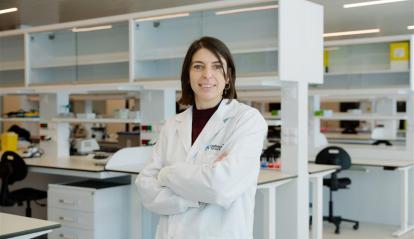
More recently, Dr Gemma Moncunill has also joined the centre. An immunologist specialising in vaccines and infectious diseases, she previously worked at ISGlobal on malaria and COVID-19. Her research aims to improve vaccine efficacy and durability, particularly in vulnerable populations, and to understand the impact of infections on the immune system. Her work has shown that the immune state prior to vaccination determines both the response and the level of protection achieved by the vaccine.
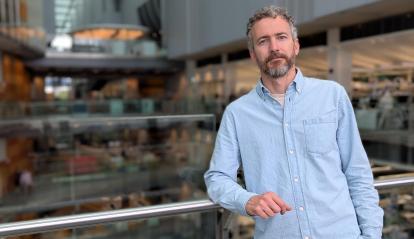
One of them is Dr Héctor Huerga Encabo, an immunologist who returns to Spain after his postdoctoral work at the Francis Crick Institute in London. As a junior group leader, his research will focus on studying how the accumulation of mutations in blood stem cells, a process common during ageing known as clonal haematopoiesis, modulates susceptibility to certain diseases. His previous work has shown that these mutations evolve in response to certain environmental stimuli and affect the development and function of specific immune cells. Building on this, his programme aims to identify biological markers associated with these alterations to predict which individuals are at higher risk of developing conditions such as cancer or cardiovascular disease.
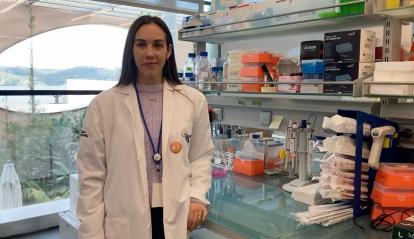
The second is Dr María Martínez López, an immunologist and currently postdoctoral researcher at the Fundação Champalimaud in Lisbon thanks to a fellowship from the ”la Caixa” Foundation, who will join the CaixaResearch Institute in a few months as a junior group leader. She is a clear example of how the Foundation enables the establishment of synergies between its various initiatives, and an expert in dendritic cells, immune cells located in the skin and mucous membranes that detect threats. Her research explores how the activity of these cells is modulated by interactions between the immune and nervous systems. In particular, she is investigating how stress may influence processes related to the development and progression of cancer.
Infrastructure to share knowledge and bring it closer to society
The CaixaResearch Institute’s commitment to a collaborative working model goes beyond exchanges between research groups within the centre itself. The aim is for certain initiatives to drive the development of new therapies and benefit not only the institute, but also the entire ecosystem of centres supported by the ”la Caixa” Foundation.
One such initiative is the Innovation Hub, which provides researchers with guidance on technology transfer and intellectual property, support to validate ideas and technologies, and connections with hospitals, companies and institutions that can accelerate their development. It also promotes training, the creation of collaborative spaces and the implementation of tools that allow innovation to be integrated into scientific work from the earliest stages of each project.
The second major node is the Biomedical Data Hub, an initiative designed to improve the management, integration and analysis of biomedical data generated across the ecosystem. Its role is particularly important in a centre that prioritises collaborative work: it creates a shared framework that organises information, ensures its secure use and enables different teams to work with harmonised, interconnected data, which will foster smoother collaboration across disciplines. In a context of rapidly growing volumes of biomedical information, the message is clear: the value of data increases when it is shared and connected with other findings.
Taken together, these hubs fit within the guiding logic of the project: to improve efficiency and accelerate the transfer of knowledge from the laboratory to – and with – society.
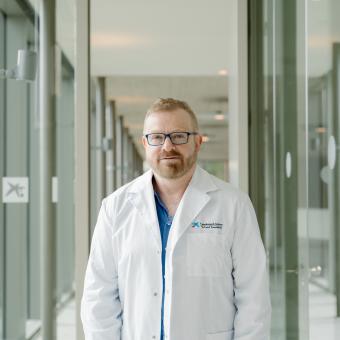
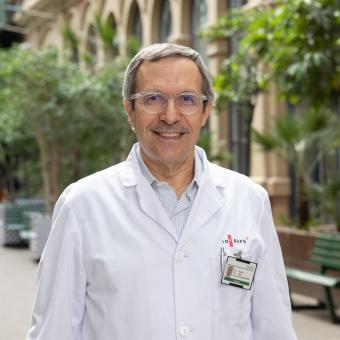
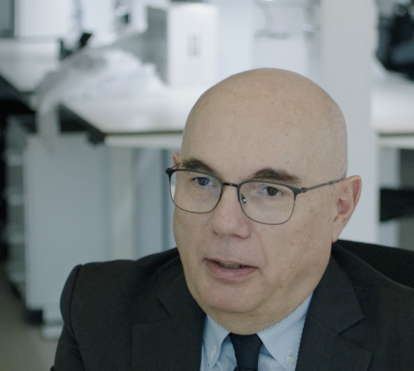
Statements by Josep Tabernero, director of the Vall d'Hebron Institute of Oncology (VHIO) and head of Oncology at Vall d'Hebron Hospital
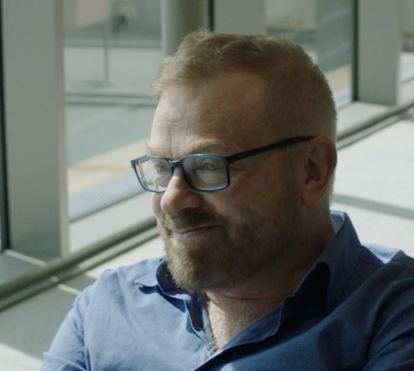
Statements by Dr Gabriel Rabinovich, biochemist, PhD in Immunology, senior group leader at the CaixaResearch Institute and cofounder of Galtec
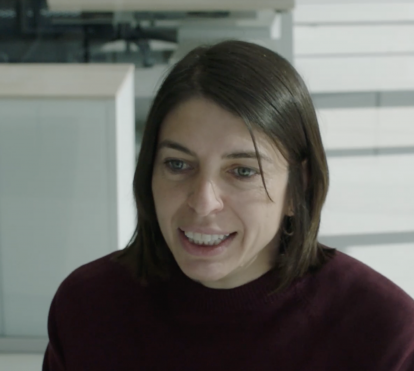
Statements by Dr Gemma Moncunill, biologist, PhD in Immunology, and senior group leader at the CaixaResearch Institute
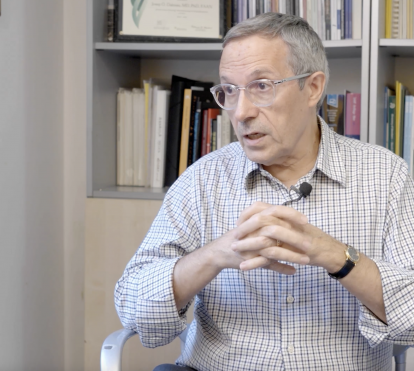
Statements by Dr Josep Dalmau, neurologist specialised in neurooncology, PhD in Medicine, and senior group leader at teh CaixaResearch Institute (in Spanish)
- Imágenes
- Videos
- Audios
- Notas de prensa
Barcelona24.04.26The ”la Caixa” Foundation inaugurates the CaixaResearch Institute, the first research centre specialising in immunology in Spain and Portugal
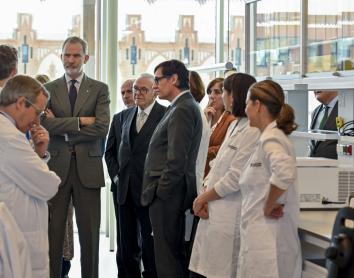
His Majesty King Felipe VI has today inaugurated the CaixaResearch Institute, the first centre dedicated entirely to the study of immunology in Spain and Portugal, and one of the first in Europe.
Read more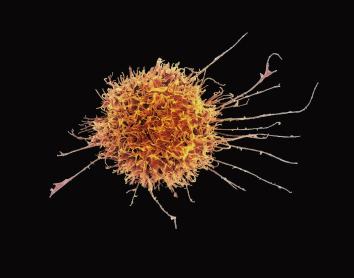
- Imágenes
Barcelona24.04.26Immunology today: beyond defence
What began as intuitions about epidemics and vaccines is now a key science for understanding infections, tumours and autoimmunity, and for learning how to modulate our defences throughout life. How did it all begin, and what do we know about the immune system today?
Read more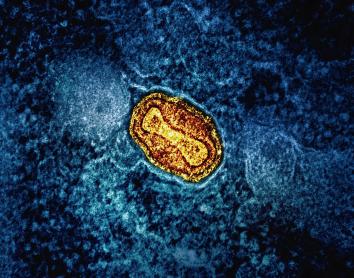
- Imágenes
Barcelona24.04.2612 curiosities about the immune system
Few structures in the body are as complex and astonishing as the immune system. To mark the launch of the CaixaResearch Institute, we explore some of the stories, oddities and discoveries that reveal just how extraordinary our defences truly are.
Read more
- Imágenes
Barcelona24.04.26Immunology: the key to understanding the health and medicine of the future
We now know that immunology plays a fundamental role in the fight against cancer, neurological disorders and a growing number of autoimmune and inflammatory diseases. This cross-cutting perspective underpins the creation of the CaixaResearch Institute.
Read more