
More than 120 years advancing research to transform society
24.04.26
6 minutes readThe ”la Caixa” Foundation has, over more than 120 years, built a solid model of support for research, health and talent. This trajectory began at the start of the twentieth century with the creation of ”la Caixa”, promoted by Francesc Moragas, and continues today with the development of the CaixaResearch Institute, led by Isidro Fainé. Under his chairmanship, the institution has steadily increased its annual budget in order to intensify its work in support of research into the most widespread diseases and the humanisation of healthcare.
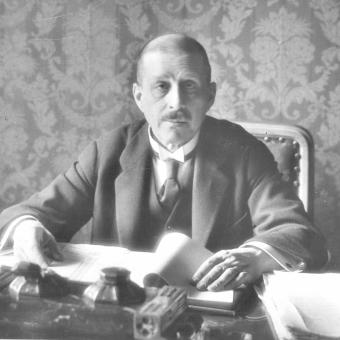
“Work in the head and people in the heart.” This was one of the guiding principles of Francesc Moragas, the lawyer who founded ”la Caixa” in 1904 to promote equal opportunities and collective wellbeing, an ethos that has defined the ”la Caixa” Fondation for over a century.
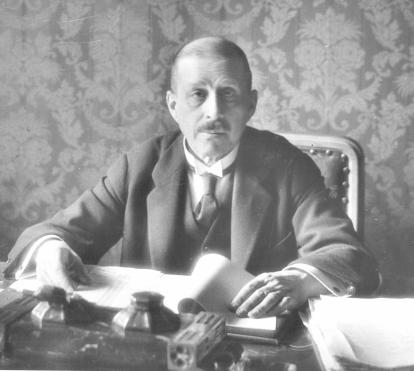

Supporting research into the most widespread diseases has been one of the pillars of this social commitment over time, grounded in the conviction that today’s research is tomorrow’s progress and health. The ultimate goal is to improve people’s health and quality of life, especially for those most vulnerable.
For more than 120 years, this support for scientific progress has adapted to the specific needs of each historical period. Indeed, as early as the beginning of the last century, Moragas argued: “Let us advocate for charity, but not forget foresight.” Caring for the most vulnerable citizens, and doing so in a context of dignity, was one of the founding objectives of the institution, supported by a set of pioneering initiatives addressing key healthcare needs.
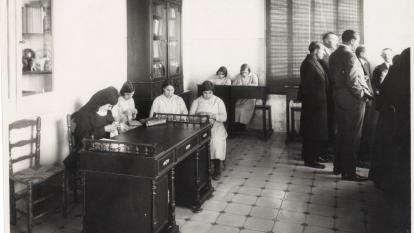
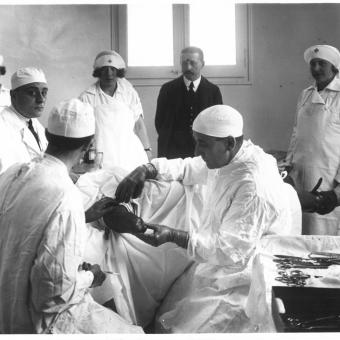
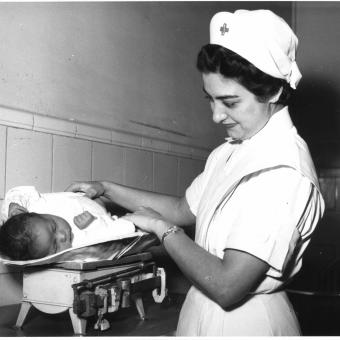
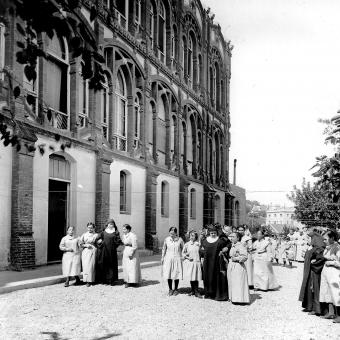
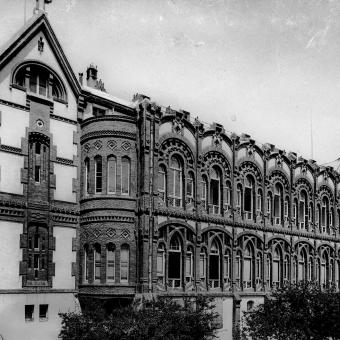
Thus, in response to the context of the time, in 1920 the Foundation promoted the Amparo de Santa Llúcia, a residence dedicated to the care and treatment of blind girls and women. The organisation was also part of the Santa Madrona Clinic, a maternity clinic integrated into the Institute for the Working Woman.
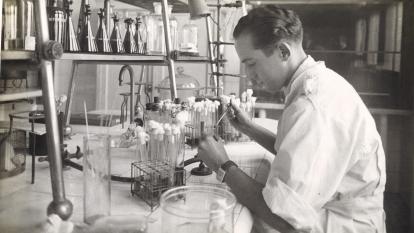

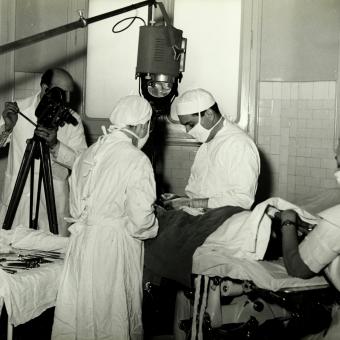
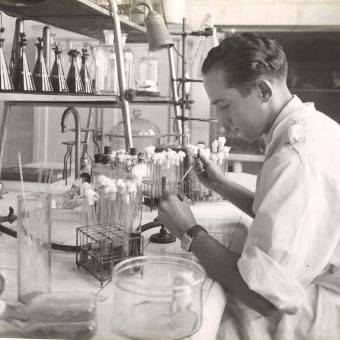
Before the advent of antibiotics, following the Second World War, tuberculosis was the leading cause of death. To combat this disease, the Anti-Tuberculosis Institute was established in 1932 and soon became a benchmark centre. It was there that Dr Xalabarder used one of the first electron microscopes in Spain, imported by the ”la Caixa” Foundation.
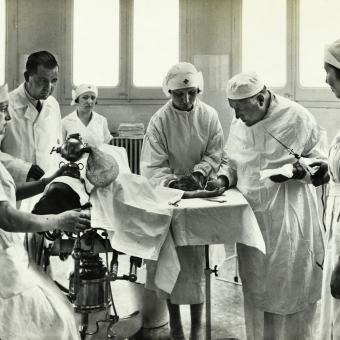
To these initiatives from the first half of the 20th century were added the Surgical Clinic, the Home for Sick Women and Children, the Medical Clinic and the Catalan Institute for the Physical Rehabilitation of the Disabled, among others.
In 1982, the organisation broadened its scope with the creation of its Fellowship programme, aimed at promoting talent and excellence in training. After more than 40 years of history, these fellowships now cover all stages of higher education and have benefited more than 6,400 people.
The AIDS pandemic, the fifth deadliest in human history, marked a turning point in the ”la Caixa” Foundation’s commitment to research. To contribute to the fight against HIV, in 1995 the organisation partnered with the Catalan Government’s Department of Health to create IrsiCaixa, which is today an international reference centre for research into infectious diseases and immunopathologies.
Collaboration with leading research centres thus became a strategic priority for the Foundation. In subsequent years, alongside its support for IrsiCaixa, it has established close partnerships with ISGlobal (Barcelona Institute for Global Health), VHIO (Vall d’Hebron Institute of Oncology), BBRC (Barcelonaβeta Brain Research Center, of the Pasqual Maragall Foundation), IRSJD (Sant Joan de Déu Research Institute) and GIMM (Gulbenkian Institute for Molecular Medicine, in Portugal). The aim is to promote complementarity among these centres linked to the Foundation, in order to foster synergies within the scientific community.
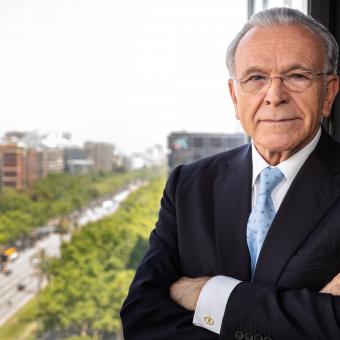
In recent years, as a result of the personal commitment of Isidro Fainé, chairman of the ”la Caixa” Foundation, to promoting health and research into the most widespread diseases, the institution’s budget in this area has increased steadily. Specifically, investment has doubled over the past decade and now stands at 147 million euros per year. He has also prioritised projects focused on the humanisation of healthcare, most notably the Comprehensive Care for People with Advanced Illnesses programme, whose aim is to improve the quality of life of people at the end of life by addressing their emotional, social and spiritual needs.

Chairman Fainé’s commitment to health research has made it possible to strengthen partnerships with leading research centres and to intensify support for research with a clear translational focus. In this way, the organisation has concentrated its efforts on transferring scientific knowledge to society, with the aim of ensuring that what is discovered in the laboratory today reaches society as quickly and directly as possible.
Indeed, fostering a scientific ecosystem that drives applied research and talent development to address challenges in health and wellbeing is the main objective set out in the ”la Caixa” Foundation’s 2025–2030 Strategic Plan for research and fellowships.
The specific goals in this area include building Europe’s first philanthropic ecosystem of biomedical and biotechnology research centres led by the CaixaResearch Institute, as well as attracting, developing and retaining top national and international scientific talent.
In addition, the aim is to promote research in the social sciences to address major societal challenges and propose formulas for improvement and the implementation of solutions; to generate new knowledge and translate it into both new treatments that improve life expectancy and quality of life, and technological solutions that foster sustainable and responsible development; and, finally, to generate knowledge to strengthen the education sector through practice-oriented educational research programmes and the promotion of evidence-based approaches.
In 2026, the area of Research and Fellowships represents 20% of the ”la Caixa” Foundation’s annual budget. Prominent among the initiatives promoted are the calls for applications for Health Research and Innovation funding, as well as the Fellowship programme, which awards undergraduate, postgraduate, doctoral and postdoctoral fellowships to outstanding students and individuals from vulnerable backgrounds.
One of the priority areas of action, that of promoting synergies so that science is contributive and collaborative, takes on a new dimension with the creation of the CaixaResearch Institute, whose foundations lie in scientific excellence and the generation of new knowledge in the immunology of disease. This facility also embodies the ”la Caixa” Foundation’s long-standing commitment to research. Rather than focusing on a single disease, the Foundation is investing in this cross-cutting field, closely linked to a wide range of conditions, while continuing to support leading research centres in their respective disciplines.
The launch of the CaixaResearch Institute also marks the creation of a leading scientific hub alongside the CosmoCaixa Science Museum. The two facilities are connected by the Francesc Moragas Gardens, named in honour of the founder of ”la Caixa”. Collaboration between these centres will focus on scientific outreach and on fostering new scientific vocations.







- Imágenes
- Videos
- Audios
- Notas de prensa
Barcelona24.04.26The ”la Caixa” Foundation inaugurates the CaixaResearch Institute, the first research centre specialising in immunology in Spain and Portugal
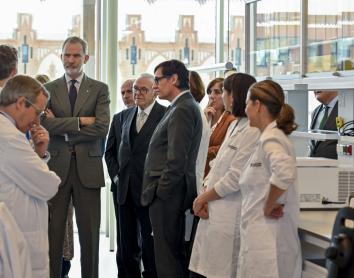
His Majesty King Felipe VI has today inaugurated the CaixaResearch Institute, the first centre dedicated entirely to the study of immunology in Spain and Portugal, and one of the first in Europe.
Read more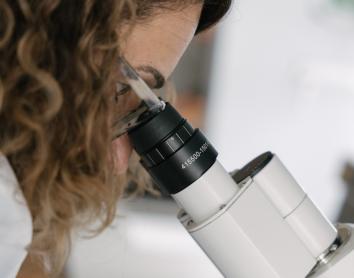
- Imágenes
Barcelona24.04.26The CaixaResearch Institute, a new cog in the health research ecosystem
Specialising in immunology, the new centre is joining an established scientific network in Spain and Portugal, and strengthening Catalonia’s role as one of Europe’s most dynamic health hubs.
Read more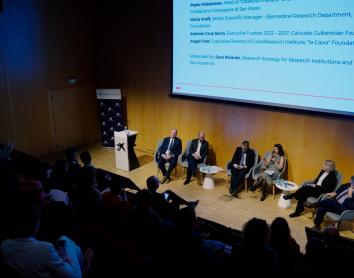
- Imágenes
Barcelona24.04.26Philanthropy and science: an expanding model to strengthen research in Europe
The CaixaResearch Institute, promoted by the ”la Caixa” Foundation, stands out as a leading example of philanthropic commitment to the establishment of centres of excellence endowed with greater autonomy, strategic vision and a vocation for social impact.
Read more