You are reading:
You are reading:
10.02.26
9 minutes readSend your questions to:
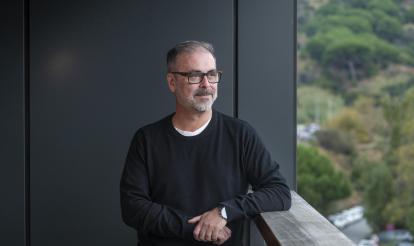
Head of the Infectious Diseases Department at the Germans Trias i Pujol Hospital and principal investigator of the Microbial Genomics Group at IrsiCaixa
Request interviewThe ”la Caixa” Foundation’s postgraduate fellowships abroad have given thousands of people the opportunity to train at some of the world’s leading universities and research centres. Such is the case for Roger Paredes, Eulàlia Alemany and Iñaki Bergera, who held fellowships in the 1990s and the first decade of the 2000s and who, now back in Spain, contribute to social progress through medicine, the third sector and architecture.
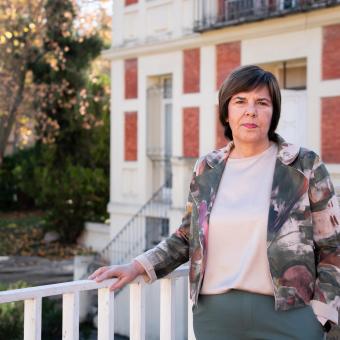
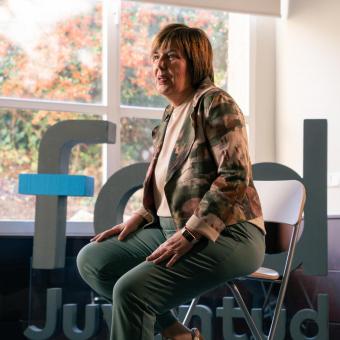
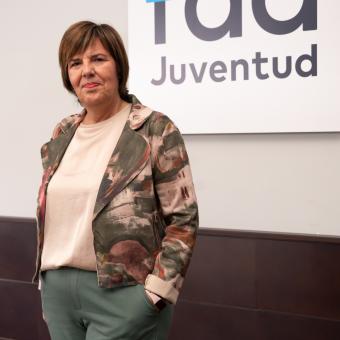
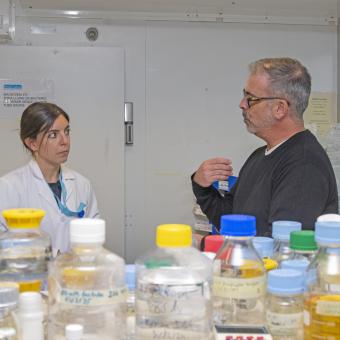
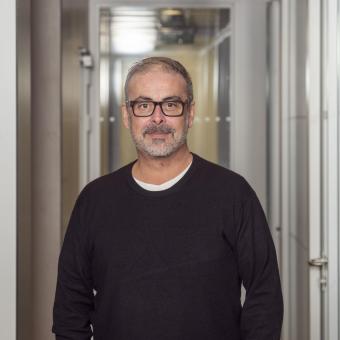
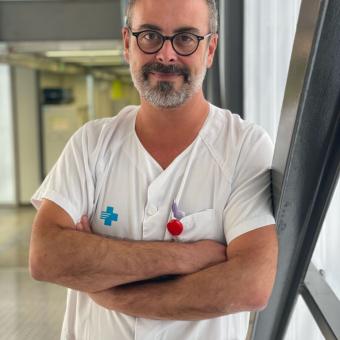
Roger Paredes heads the Infectious Diseases Department at the Germans Trias i Pujol Hospital in Badalona and works as a principal investigator at IrsiCaixa. Eulàlia Alemany coordinates studies on situations of social risk affecting young people as head of the FAD Juventud Foundation in Madrid. Iñaki Bergera is a professor of architecture and analyses its relationship with photography at the University of Zaragoza. Despite their very different career paths, these professionals share one thing in common: they were all selected as fellows by the ”la Caixa” Foundation’s postgraduate fellowships abroad programme.
Paola Isetta, the deputy director of Fellowships, Research and Innovation at the institution,states that postgraduate fellowships “foster a type of mobility that is key to generating knowledge exchange and building bridges between international institutions and businesses”. She also notes that, for most of the talent that passes through this prestigious programme, “the fellowships are a turning point that changes their lives”.
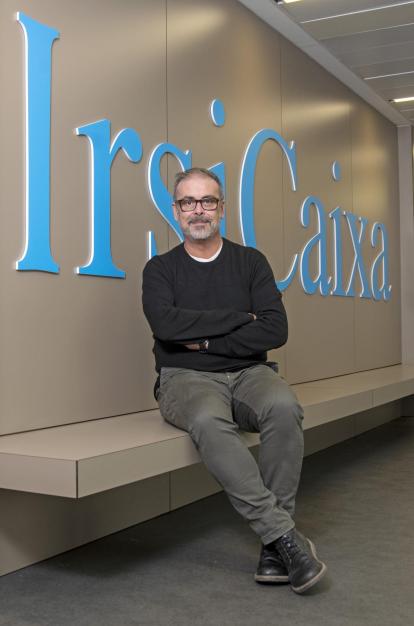
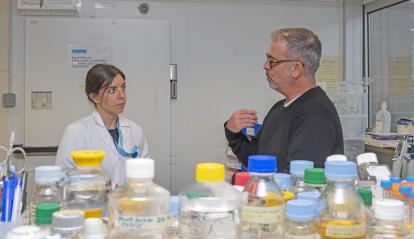
Roger Paredes explains that, from a very young age, he has always been deeply interested in the pursuit of knowledge. In 1991, he began studying Medicine and Surgery at the Universitat Autònoma de Barcelona and, already in his first year, asked Professor Josep Maria Domènech, Professor of Anatomy, to allow him to assist with his embryology experiments. Later, in 1993, he started his clinical training at the Germans Trias i Pujol Hospital in Badalona. This was at a time when the HIV epidemic was at its peak, so he wanted to play his part in the efforts to combat the virus alongside the team led by Dr Bonaventura Clotet.
“We tend to see medicine as something quite finalised, with very clear ideas. And while it’s true that we know a great deal, research is still absolutely essential across all diseases: this is very evident in the field of infectious diseases, but also in neurology, cancer and so on,” the doctor reflects. He chose HIV because of its biological aspects, but also for its social dimension: the needs of people who were living under heavy stigma after contracting the virus.
Following a decade working in the hospital, he felt the need to “go abroad to learn from other people”. He chose Harvard University because of the research being conducted there on HIV drug resistance. He obtained a postgraduate fellowship for studies abroad from the ”la Caixa” Foundation (2005–2007), which gave his career an “enormous” boost. “Thanks to the fellowship, I was able to start working with international groups that I still collaborate with today, and I also began a line of research that continues to this day. It opened up a whole new world for me,” he notes.
He argues that, beyond the strictly professional dimension, he also gained a great deal from coming into contact with people from other disciplines who had also received a fellowship from the Foundation. “One characteristic of the fellows I met was that, when you spoke to them, instead of first telling you how interesting their own work was, they would always say: ‘How interesting what you do is!’” he recalls.
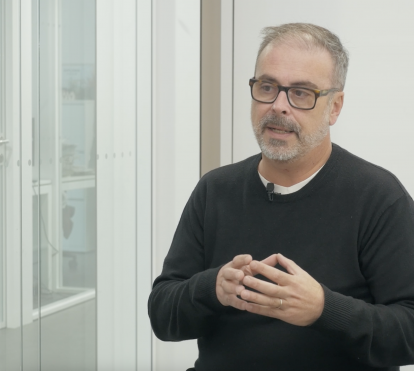
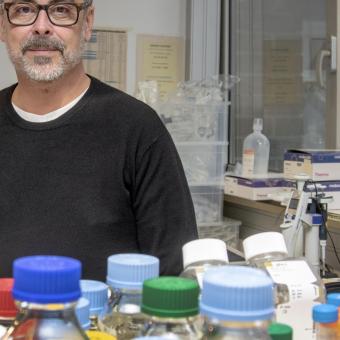
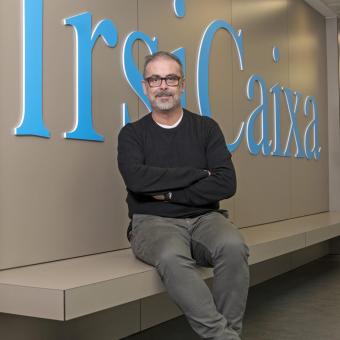
He highlights the value of exchanging ideas with “people outside your own field who are able to understand that, for example, economics is fundamental to tackling HIV, or that architecture can also influence how people live”. “It was an extraordinarily creative period that gave me many ideas I still apply today: a truly remarkable experience,” says the researcher, who currently heads the Infectious Diseases Department at the Germans Trias i Pujol Hospital and also works as principal investigator of the Microbial Genomics Group at IrsiCaixa.
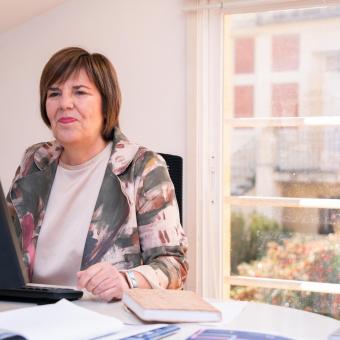
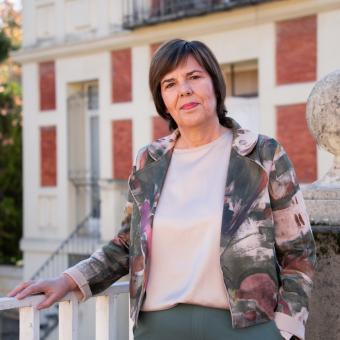
Eulàlia Alemany also spent time at Harvard, but 14 years earlier. She had studied Pedagogy “out of vocation” at the Complutense University of Madrid, where she already realised that she wanted to pursue a career in research.
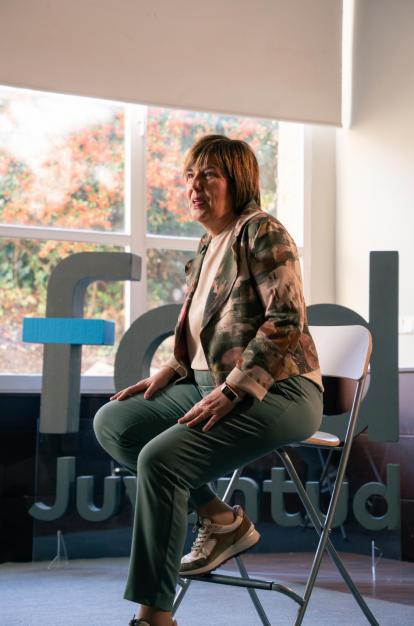
She completed her degree in the late 1980s, at a time of economic crisis that made it difficult to find work in the field of education. “I worked in things as varied and unusual as the London Stock Exchange, buying and selling shares, because having language skills made it an easy option,” she recalls. It was then that she applied for the ”la Caixa” Foundation’s postgraduate fellowship abroad.
She applied, was awarded the fellowship, and began a period she remembers as “wonderful”: “I often think that I wish I could go back and study there again, because for two years, all you did was learn and listen.”
She describes Harvard as “a very different microcosm” from anything she had known until then. “The first lesson was diversity. There was an enormous number of people from different backgrounds, races and religions, whereas Spain was monochrome.” The second was feminism: “I had Carol Gilligan as a lecturer, one of the leading feminists at the time. I was able to understand what different perspectives were, and what a gender perspective meant.” To these two lessons she adds a third, very practical one: “Learning to read quickly. That’s something I’ve carried with me ever since.”
For Alemany, that opportunity at Harvard was the turning point that allowed her to pursue her vocation. “If it hadn’t been for the ”la Caixa” Foundation fellowship, I don’t know what would have become of me, whether I’d have ended up as a stockbroker in London or something else entirely,” she admits. When she returned, the studies she had completed in the United States opened doors for her: “In 1993, very few people of my age could say they had studied for a master’s degree at Harvard.”
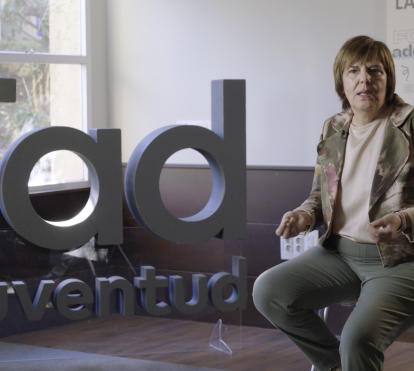
After returning to Spain, she began working at FAD Juventud, based in Madrid. At the time, the foundation was focused on tackling drug addiction; however, over the years, it has broadened its scope to address youth issues from a more general perspective. Today, she is the Director of Innovation at the organisation, which carries out sociological research and prevention and awareness-raising initiatives on addictions, violence and other risk situations affecting young people.
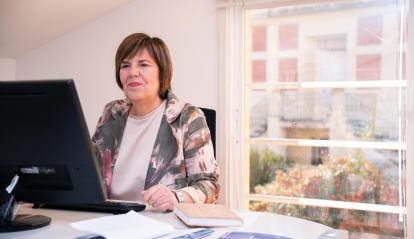
The programme’s fellows are selected for their “academic excellence”, explains Isetta, but beyond that, what carries the greatest weight are the personal interviews. “The potential and motivation that candidates demonstrate in those 20 minutes are key to identifying that spark that truly makes someone stand out,” she says.
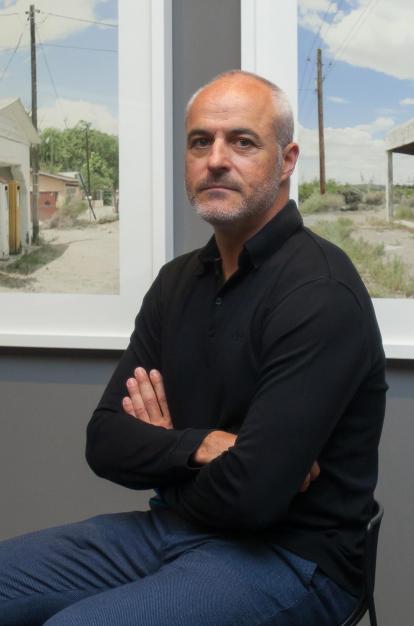
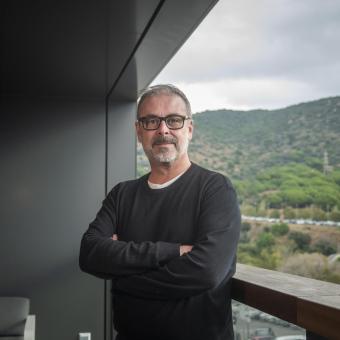
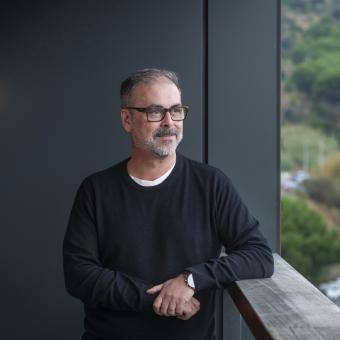
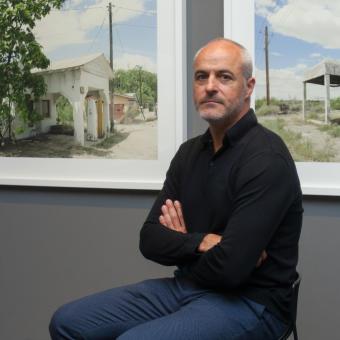
Iñaki Bergera went through that process 25 years ago. After graduating in Architecture from the University of Navarra, he was completing his PhD at the same institution when he applied for the ”la Caixa” Foundation’s postgraduate fellowship abroad.
“Academic training in Spanish schools of architecture was very heavily rooted in professional practice. Mentors trained architects not so much through a theoretical framework as through the power of built work. I felt I needed to delve more deeply into theoretical and conceptual aspects,” he recalls. He achieved this thanks to the fellowship, which took him to the United States to study for a master’s degree in the Theory and History of Architecture, also at Harvard.
“Given the demand, competitiveness and prestige of these fellowships, you think you won’t be lucky enough to receive one. When you’re awarded that opportunity, the excitement is overwhelming,” he recalls.
At Harvard, he received a form of training that “furnishes your mind, teaches you to look at things differently, and gives you a much more multifaceted and holistic understanding.” He believes that the fruits of that stay are not reaped in the short term, but rather over time. “Time spent in the United States and at its prestigious schools of architecture gives you a way of thinking and introduces you to extraordinary people, both professors and international peers,” he reflects. He describes his time at the university as “an exceptional experience, both personally and in terms of intellectual maturity.”
After completing his master’s degree, he returned to Spain, remaining faithful to the philosophy of think global, act local. “I needed that American experience, but I was interested in bringing that knowledge and direct contact with the intellectual and academic vanguard of the United States back to Spain, so that the experience would have an impact on my immediate environment,” he explains. “It seemed to me that all my fascination with that country and my determination to draw the very best from that stay would have a greater impact if I returned, also as a way of giving back what I had received, in this case from the ”la Caixa” Foundation, in my own local context,” he adds.
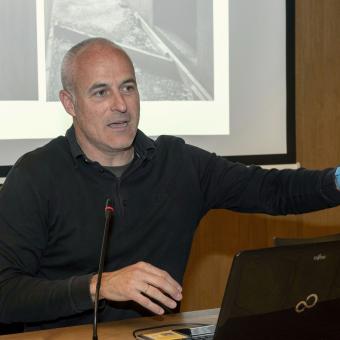
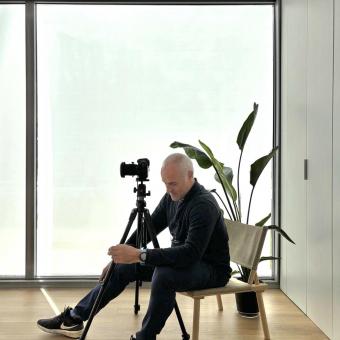
Bergera completed his PhD in Navarra and, when the University of Zaragoza introduced architecture degree programmes, he began teaching there. As professor of architectural projects, he combines teaching with research and explores the relationship between architecture and photography.
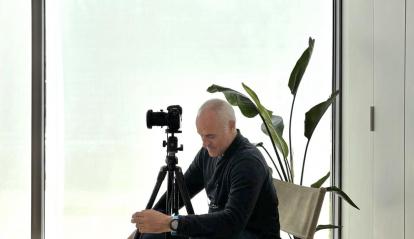
Looking back, he sees his fellowship as a pivotal stage in his life: “As time passes, I now see those long-ago years as a fundamental moment in my life.” He now hopes that “new generations of fellows will continue to respond to this opportunity with the same enthusiasm and sense of responsibility” as those who – like himself, Eulàlia Alemany or Roger Paredes – went through the programme two or three decades ago and have since given back to society many times over the positive impact of what they learned.
The professional paths of these three fellows illustrate how academic excellence, combined with the opportunity to train in international environments, is transformed into innovation, shared knowledge and social commitment. Since 1982, the postgraduate fellowship abroad programme – one of the most emblematic initiatives of the ”la Caixa” Foundation – has offered the opportunity to pursue master’s degrees and PhDs or undertake predoctoral research at the finest universities and research centres across Europe, North America and the Asia–Pacific region. To date, more than 6,400 people have benefited from this transformative experience, and many of them now lead benchmark scientific, technological, social or business projects.