You are reading:
You are reading:
21.07.26
7 minutes readIn Necoclí, a coastal municipality in the Urabá region of Antioquia (Colombia), tourism is advancing, driven by the creativity and hard work of 32 small businesses in the sector. For years, each business operated in isolation, lacking a structure that would allow for a consolidated joint offer and a stronger positioning of the destination. This dynamic began to change from 2025 onwards with the creation of the Necoclí Collaborative Tourism Network, an initiative promoted within the Work4Progress programme in Colombia, led by the ”la Caixa” Foundation, the Fundación Grupo Social and the VISA Foundation.
On the shores of the Caribbean Sea, the municipality of Necoclí has built a diverse economy around tourism, an activity that supports much of the local area. However, until recently, local services and attractions – restaurants, hotels, artisans, guides, producers, transport companies and cultural businesses – operated in a fragmented manner and had very limited links with one another.
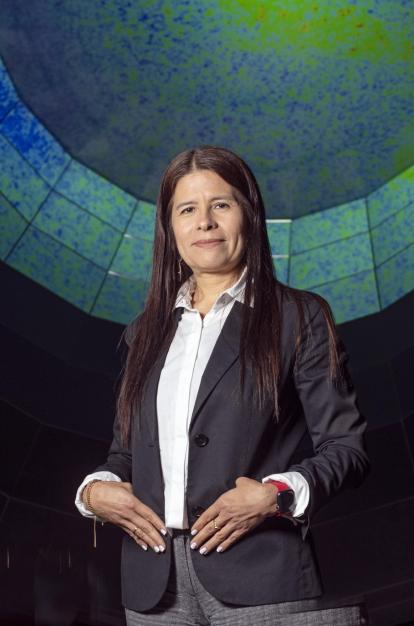
“They wanted to collaborate to establish Necoclí as a competitive tourist destination, but they didn’t know how,” says Andrea Zuluaga, Director of Business Transformation at Corporación Interactuar, a non-profit organisation that took part in the first call for proposals for the Work4Progress programme in Necoclí 2024–2025.
The Work4Progress programme is led by the ”la Caixa” Foundation, the Fundación Grupo Social and the Visa Foundation in Necoclí and Cartagena (Colombia), together with 10 civil society organisations, financial institutions, businesses and universities responsible for its implementation on the ground. This work is being addressed this week by the various representatives of the organisations involved, who have gathered in the coastal municipality.
Work4Progress promotes the creation of decent employment for women and young people in vulnerable situations through social innovation and collaborative work. The programme operates in Colombia, India, Mozambique, Peru and Ghana, driving solutions that emerge from the communities themselves, based on networks of local stakeholders, in strategic partnerships and the strengthening of people’s capabilities.
In Colombia, Work4Progress is driven in partnership with the Fundación Grupo Social and the Visa Foundation through a strategic alliance based on a shared vision of the importance of creating sustainable economic opportunities for communities through social innovation. In addition to providing funding and expertise, the three foundations share the aim of strengthening local capacities and promoting initiatives that emerge from within the communities themselves in order to achieve greater impact.
The programme began in Necoclí in 2024, and a year later was expanded to Cartagena. It currently comprises three networks made up of 10 civil society organisations, foundations, universities, private companies and financial institutions that promote the programme across these two regions.
In Necoclí, Work4Progress carried out a broad and participatory listening process involving 750 people from across the area, from rural areas to urban centres. This exercise, which engaged both individual actors (84%) and collective organisations (16%), made it possible to understand the community’s real strengths, barriers and opportunities. On this basis, in 2025 a total of 12 social innovation prototypes were co-designed, grouped into the following strands: Enablers, Agri, Tourism and the Economic Roundtable. One of these prototypes is the Collaborative Tourism Network, now made up of 32 local tourism enterprises working together with the aim of generating greater impact and attracting more visitors to the region.
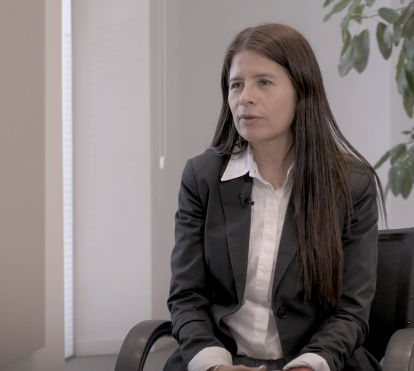
To achieve this, Work4Progress launched a range of initiatives, including a diagnostic assessment of the enterprises, support through business training, the strengthening of businesses and the creation of synergies among micro-entrepreneurs. Mechanisms for governance and collective working were also designed. “A network based on trust, communication and shared agreements was essential,” Zuluaga notes.
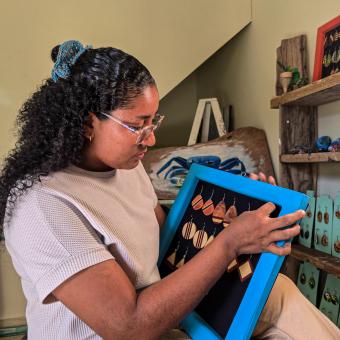
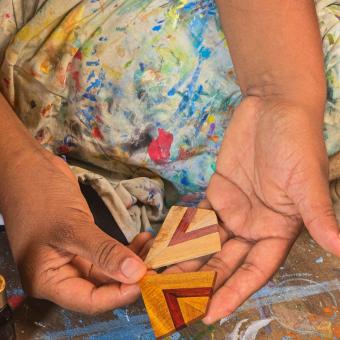
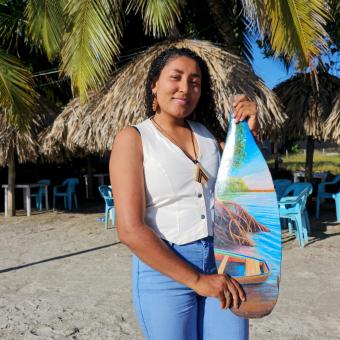
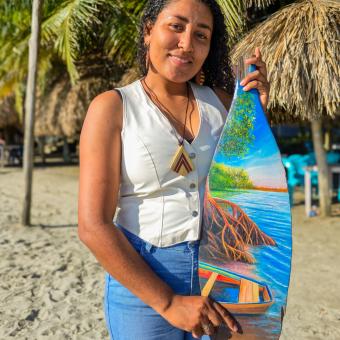
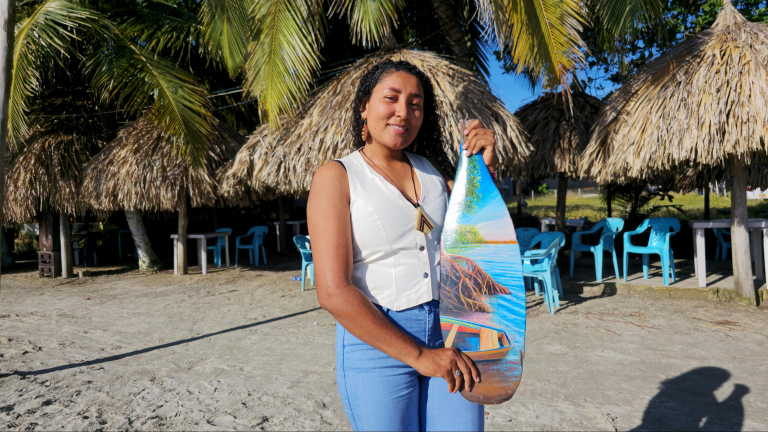
The story of artisan Katy García illustrates the impact of this support. García works with materials she finds in her surroundings, mainly on the beaches: wood washed ashore, coconut, calabash and canvas. She recovers these raw materials, gives them a new meaning and transforms them into handcrafted pieces that she sells through Imbana Arte y Bisutería.
Her connection with Work4Progress began through the prototype Laboratorio Impulsando Oportunidades, created to support women and young people in Necoclí in consolidating their business ideas, improving their income and strengthening their economic autonomy.
“When they told us about the laboratory, it was like seeing a light that could help boost Imbana,” García recalls. Until then, the project’s growth had depended almost entirely on experience gained day by day. The support enabled her to incorporate tools for management, planning and promotion. “They’ve helped us to gain a clearer vision of the future, work on digital marketing, develop a business strategy, secure clients and increase sales,” she explains.
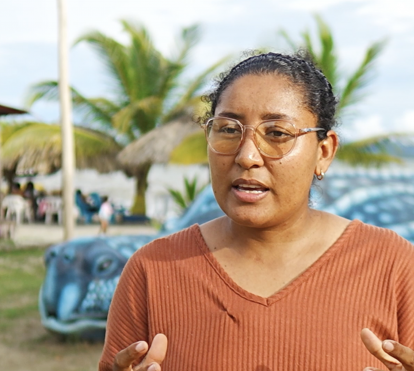
The process also expanded her network of contacts within the municipality. “We took part in trade fairs where we met other entrepreneurs, young people and women from the area,” García explains. Over time, she decided to go a step further and join the Collaborative Tourism Network. “We were so pleased with the support and guidance we had received up to that point that we decided to continue along that path,” she says.
García’s experience reflects a common reality: entrepreneurs with great talent in their craft, but facing challenges in managing their businesses. Today, thanks to the programme, they are progressing with more tools, strengthening their managerial capabilities and preparing not only to grow, but also to lead, make decisions and build partnerships with other entrepreneurs that support their development.
The artisan’s ambitions now extend beyond the local market. “Imbana is gaining recognition and we want to take the project beyond Necoclí, both nationally and internationally.”
The countryside also gets organised
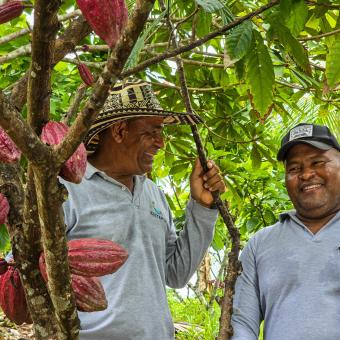
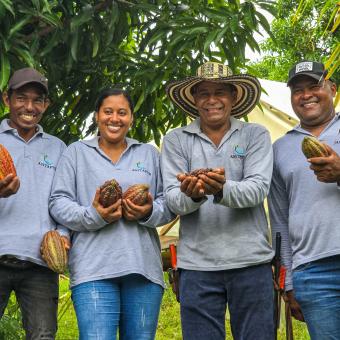
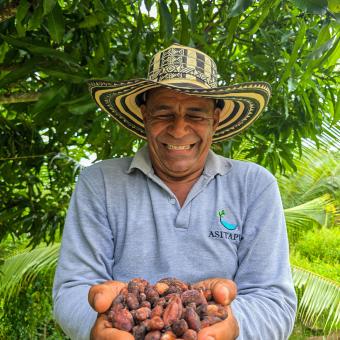
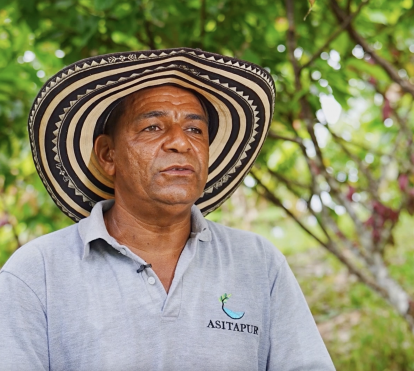
The associative approach also extends to the countryside, whose production forms part of the municipality’s identity and tourism potential. Carlos Torres represents the Torres y Amigos Agricultural and Livestock Association (ASITAPUR), made up of 23 families primarily dedicated to cocoa cultivation. “The countryside means progress, opportunity and life,” he says.
His organisation’s relationship with the ”la Caixa” Foundation’s Work4Progress programme, the Fundación Grupo Social and the Visa Foundation began through the Necoclí Economic Roundtable, one of the first local coordination spaces within the framework of the programme. Since then, ASITAPUR has taken part in initiatives aimed at strengthening its organisation, facilitating the joint purchase of inputs and improving its investment capacity.
“Work4Progress has been a key driver for us because it has opened doors to opportunities we didn’t have before,” explains Torres. In his view, however, the most significant transformation has been less visible: “Working collaboratively has allowed us to believe more in ourselves.”
This new way of understanding development has fostered a collective vision of growth. “It has enabled us to look for solutions to the problems facing the area together and to contribute to the development that Necoclí’s rural sector truly needs,” he maintains.
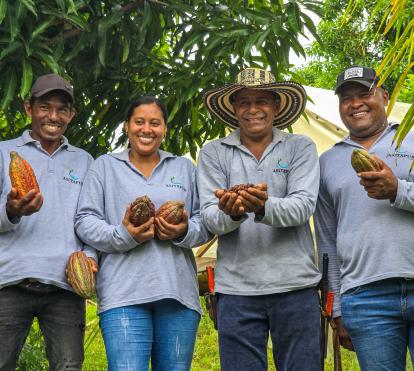
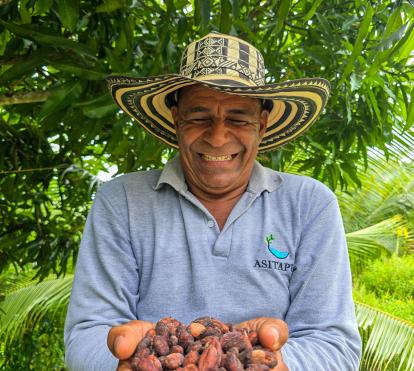
The organisation now looks to the future with ambition. “In five years’ time, I see ASITAPUR as a leading organisation in the Urabá region, capable of processing our product right here and generating impact in other territories, both nationally and internationally.”
The challenge for Work4Progress in this second phase (2026–2028) in Necoclí is “to build lasting capabilities that allow the newly created networks to sustain themselves independently, make informed decisions and address new challenges with a more strategic vision,” explains Miller Hurtado, Director of Income Generation, Infrastructure and Environment at the Vice-Presidency for Development of the Fundación Grupo Social.
In line with this objective, strengthening connections between public, private, academic and civil society actors has been key to the programme. This process has enabled the Collaborative Tourism Network to join the Necoclí Tourism Roundtable, an important step towards promoting a public policy that ensures continuity and support for this type of initiative, according to Fernando Torres, a representative of the network.
In this way, the economic boost fostered by Work4Progress also seeks to translate into social and environmental development, thereby helping to improve the quality of life of the communities and consolidate sustainable growth across the region.