To know is to protect: CosmoCaixa dives into the extraordinary importance of sharks to our oceans
21.10.26
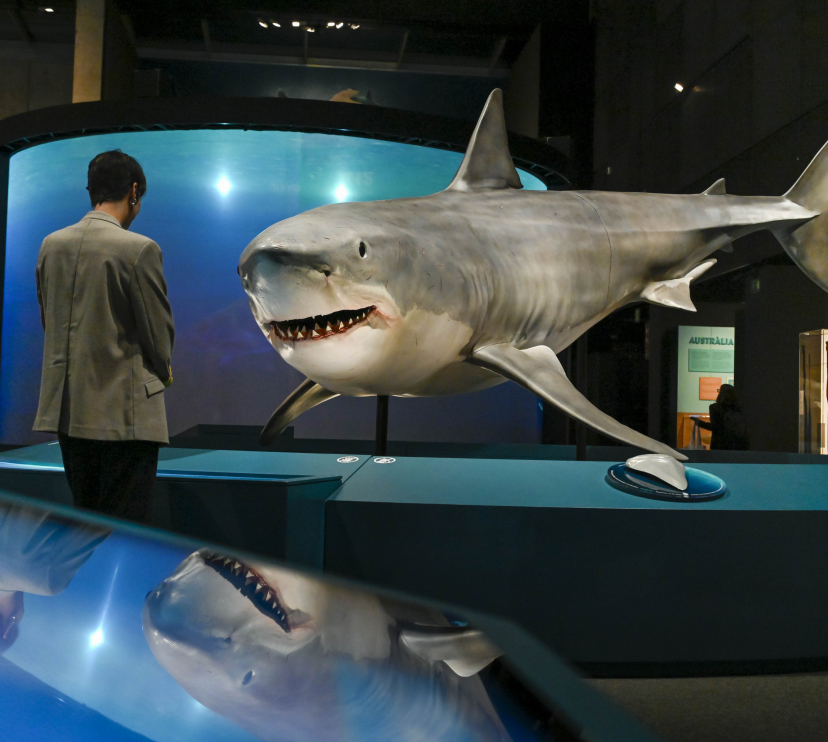
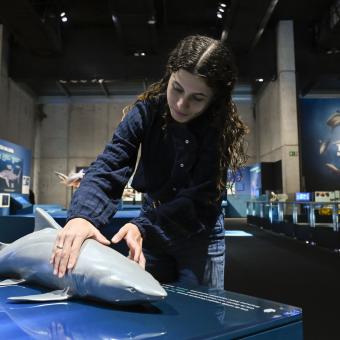
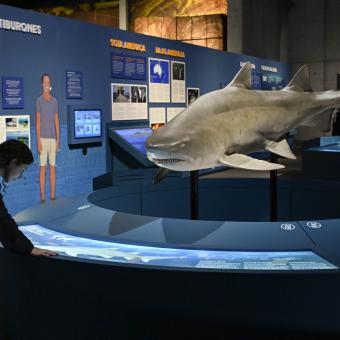
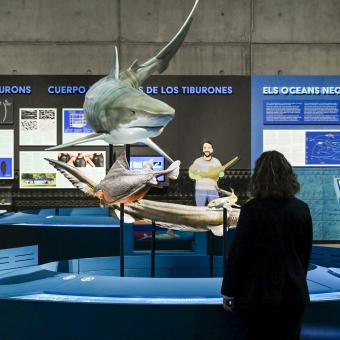
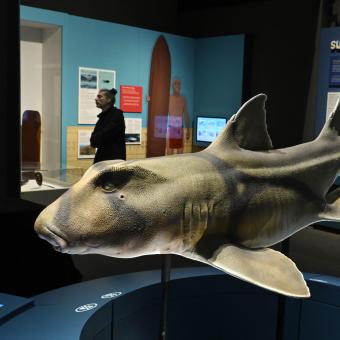
6 minutes readThe CosmoCaixa Science Museum is hosting the European premiere of the exhibition Sharks. Guardians of the ocean. Created by the Australian Museum, it is one of the most comprehensive exhibitions on sharks ever produced. Featuring ten life-size replicas of different shark species alongside a range of interactive exhibits, the exhibition allows visitors to explore the diversity of these ancient fish. It also examines their interactions with humans, dispelling myths and highlighting their importance to ocean ecosystems.
The Director of the CosmoCaixa Science Museum, Valentí Farràs, and the Director & CEO of the Australian Museum, Kim McKay AO, today presented Sharks. Guardians of the oceans, an exhibition that invites visitors to explore the diversity of these ancient fish. More than 550 species have been described – 50 of which are found in the Mediterranean – and sharks have inhabited our planet for 450 million years. Having survived five global mass extinction events, sharks are now under threat from global warming, industrial fishing and pollution.
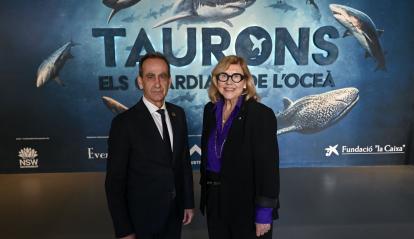
The exhibition was created by the Australian Museum and has since toured internationally thanks to Evergreen Exhibitions, visiting museums in the United States and New Zealand. It is now coming to Europe for the first time, specifically to the CosmoCaixa Science Museum in Barcelona, where it will be on view until 26 September 2027.
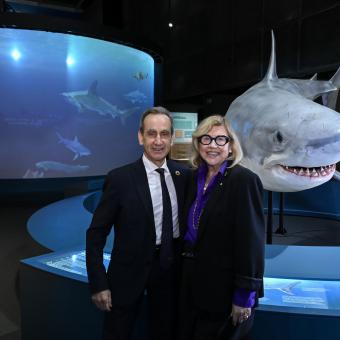
Highlighting the diversity of sharks’ anatomies and ways of life, the exhibition features ten scientifically accurate, life-size replicas of different shark species, including Helicoprion, which became extinct 270 million years ago; the Bull Shark, which can survive in fresh water for extended periods; and the White Shark, one of the best-known and most feared shark species. Other species on display include the Tiger Shark, Greynurse Shark and Hammerhead Shark.
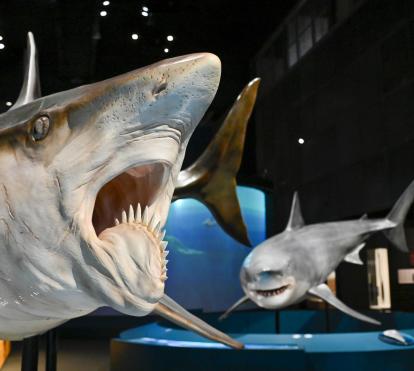
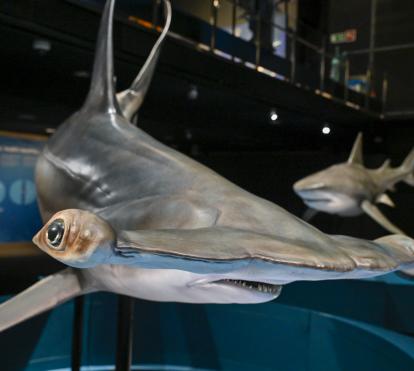
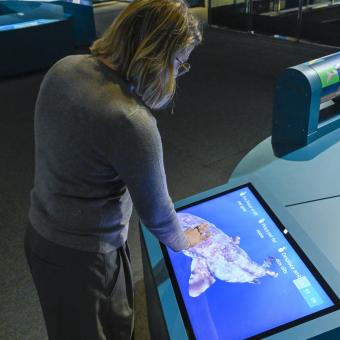
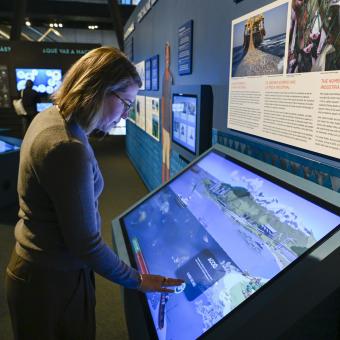
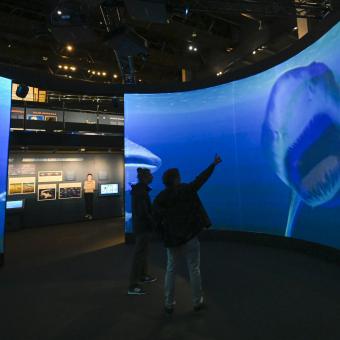
In this exhibition, the immersive and interactive experiences that are a hallmark of CosmoCaixa allow visitors to journey inside a shark’s body through an interactive 3D exploration, adapt a shark so that it evolves and survives in different environments, or see the world from a 360-degree perspective through the eyes of a Hammerhead Shark. The exhibition experience also includes an oceanarium that immerses visitors in a unique setting where they are surrounded by a wide variety of sharks and can marvel at their majesty.
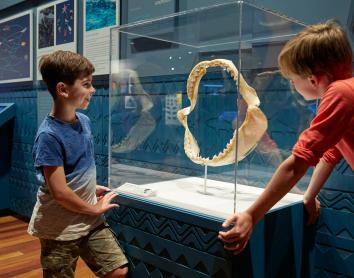
Visitors will also learn about sharks through objects and tactile elements, including hands-on items such as a Megalodon jaw, replicas of shark skin and a White Shark tooth.
According to the International Union for Conservation of Nature (IUCN), a quarter of the world’s sharks are threatened with extinction. The exhibition presents the latest information on their conservation status, the impact of sharks on the oceans and the efforts being made to protect them. At the same time, it has a twofold aim: firstly, to dispel the cultural myths that have contributed to negative perceptions of sharks and, secondly, to draw on ecology and biology to explain why these animals are irreplaceable structural components in maintaining the balance of ocean ecosystems.
About the Australian Museum
The nation’s first museum, the Australian Museum (AM) was founded in 1827 and will mark its 200-year anniversary in 2027. It is internationally recognised as a natural science and culture institution focused on Australia and the Pacific.
The AM holds more than 22 million objects and specimens in its collection, the largest in the Southern Hemisphere. It pursues a mission to ignite wonder, inspire debate and drive change.
The AM’s vision is to be a leading voice for the richness of life, the Earth and culture in Australia and the Pacific and commits to transforming the conversation around climate change, the environment and wildlife conservation; being a strong advocate for First Nations cultures; and continuing to develop world-leading science through the Australian Museum Research Institute (AMRI).
The AM is not only a dynamic source of reliable scientific information on the environmental and social challenges facing our region, but also a trusted site of cultural exchange and learning.
- Lecture series “Sharks:
from legend to conservation”
Tuesdays 9, 16 and 23 February and 2 March 2027
CosmoCaixa will host a series of four lectures dedicated to sharks. Guided by experts, attendees will learn about the evolutionary journey of these animals, the conservation status of shark populations around the world and the threats they face. They will also discover how underwater photography and science communication can help transform our perceptions of sharks, as well as which shark species inhabit our coasts.
- A night at the museum. Sleeping among sharks
Saturdays 28 November 2026, 2 and 30 January, 27 February, 20 March, 24 April, 29 May, 26 June, 24 July, 28 August and 25 September 2027
The exhibition will become one of the settings for a very special night, designed for families with children aged 7 to 12. Torch in hand, they will be able to explore the museum, wind down the day with tales of the sea, spend the night at the museum imagining what life might be like in other places, and take an early-morning stroll through the Flooded Forest to see its inhabitants waking up.
- Screening of the documentary Dear Sharks and panel discussion
Thursday 29 October | 7 p.m.
On 29 October, the documentary Dear Sharks, co-produced by CaixaForum+ and B23 Films, will be screened. Directed by Ana Montserrat Rosell, the film takes viewers on a human journey alongside scientists, associations, fishers and volunteers fighting to save Mediterranean sharks. Through projects focusing on shark observation, artificial insemination, breeding and release, as well as dissections and conservation initiatives, the documentary dispels some of the myths surrounding sharks and explains just how vital these animals are to the health of our sea.
The screening will be followed by a panel discussion featuring some of the people who took part in the documentary: Anabel Colmenero, researcher at the ICM-CSIC and co-founder of Catsharks; Mara Segovia, marine biologist and science communicator at Catsharks; and Domingo Bonnín, president of the Association of Fishers’ Guilds of the Balearic Islands.
The documentary will be available exclusively to stream free of charge on CaixaForum+.
- Workshop “Sea detectives: the
superpowers of the shark”
In this workshop, visitors will uncover the secrets of sharks by investigating them like real scientists. Using replicas, genuine specimens and a series of small research challenges, they will put these animals’ senses to the test, solve the mystery of their survival and learn why they are essential to the health of the oceans.
- Scientific illustration workshop on sharks
This scientific illustration workshop offers an in-depth look at the anatomy and diversity of sharks, vertebrates with skeletons made of cartilage. The activity begins with a visit to the exhibition and, drawing on observations made in situ and scientific references, continues with a practical hands-on session in which participants will create a scientific illustration under the guidance of illustrator Roc Olivé. The workshop is aimed at families, general public and schools.
- Learning
space
This learning space is structured around the question ‘How have sharks managed to survive for more than 450 million years?’. Across five thematic sections and through a range of materials, including puzzles, games and reference books, visitors will be able to learn more about these animals, from their biology to their ecological role, and reflect on the importance of contributing to their conservation.
- Guided tours
As usual, the exhibition will be complemented by guided tours, tours for families with children aged 4 and over and family tours for children aged 8 and over. Interactive educational visits will also be available, enabling visitors to explore the exhibition’s content in greater depth with the guidance of an educator.
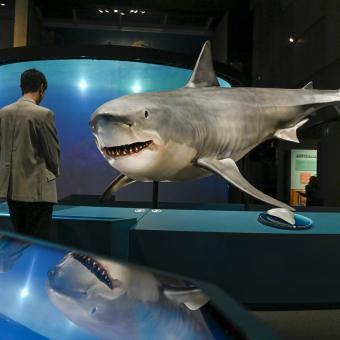
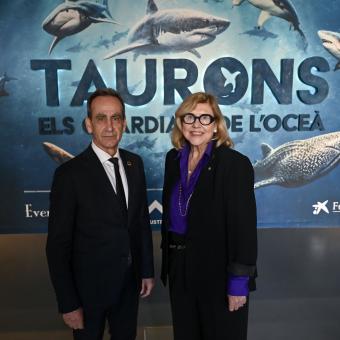
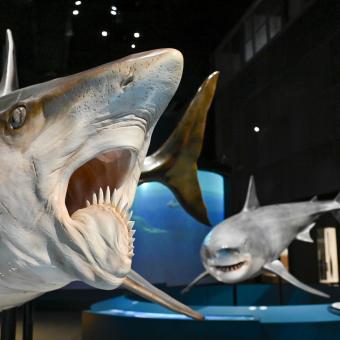
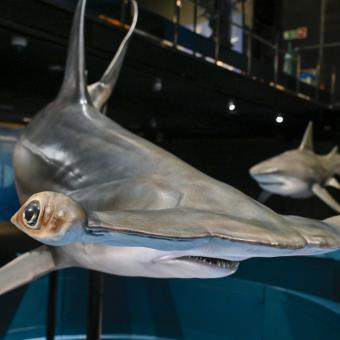
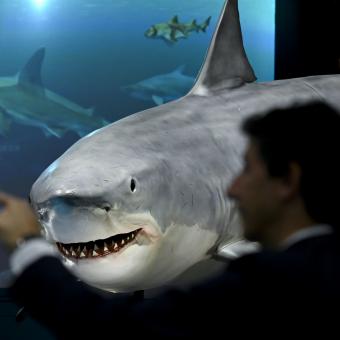
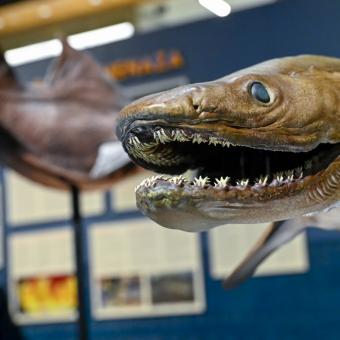
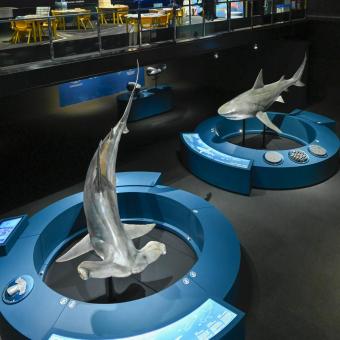
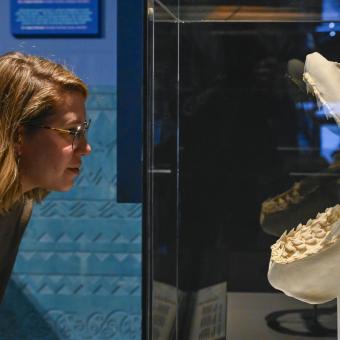
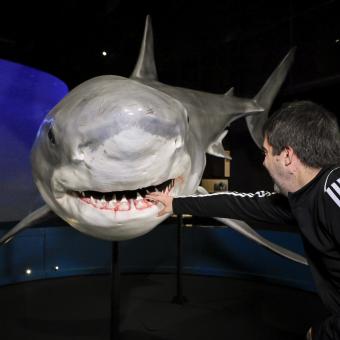
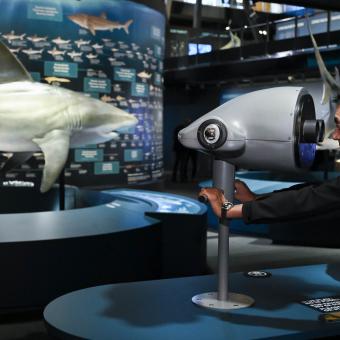
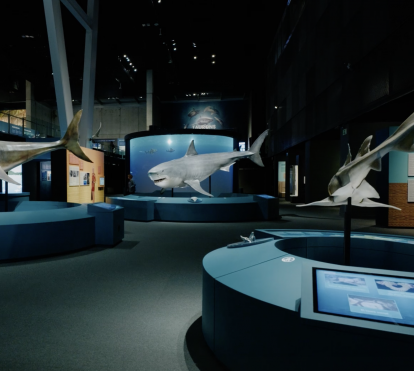
Raw footage of the exhibition "Sharks. Guardians of the ocean"
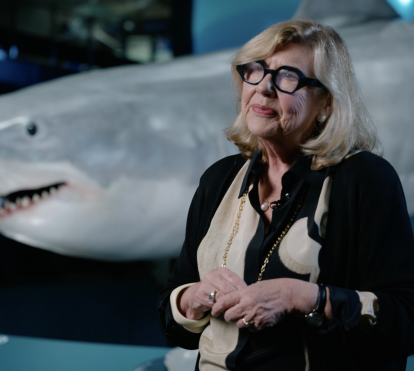
Statements by Kim McKay AO, Director & CEO of the Australian Museum
- Imágenes
Barcelona21.10.26Sharks, in depth
Sharks. Guardians of the oceans is divided into nine sections exploring different aspects relating to these animals: The Ancient Ones; Evolutionary Survival; What Is A Shark?; Sharks’ Bodies and Senses; Respect; Fear; Oceans Need Sharks; Under Threat; and Saving Sharks.
Read more