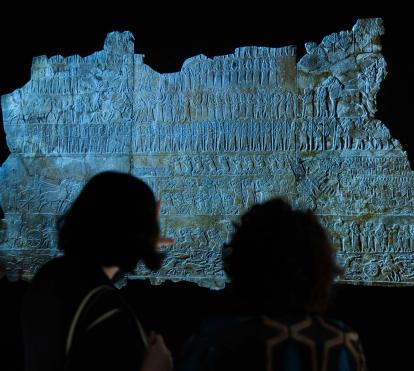
CaixaForum Madrid discovers the life and legacy of Ashurbanipal, the last great king of the Assyrian Empire
08.04.26
5 minutes readCaixaForum Madrid premieres the exhibition I Am Ashurbanipal, King of the World, King of Assyria, featuring 158 objects from the British Museum collection that trace the life and legacy of Ashurbanipal (669 – c. 631 BC), the last great ruler of the Assyrian Empire. This king governed from Nineveh (in present-day Iraq) a vast empire stretching from the shores of the Mediterranean to the mountains of Iran.
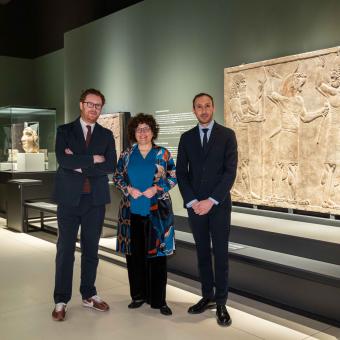
The director of CaixaForum Madrid, Isabel Fuentes, the Director of the British Museum, Dr. Nicholas Cullinan OBE and the curator of the Department of Ancient Mesopotamia and the Middle East at the British Museum, Dr. Sébastien Rey, presented this Wednesday I Am Ashurbanipal, King of the World, King of Assyria, a comprehensive exhibition that invites visitors to discover the life and legacy of the last great sovereign of the Assyrian Empire.
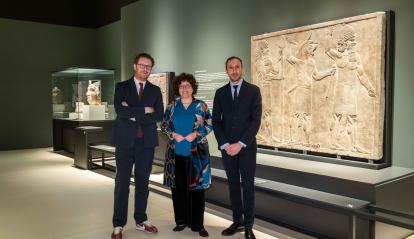
This marks the tenth collaboration between the ”la Caixa” Foundation and the British Museum, the result of the strategic partnership between the two institutions, which has enabled a wide range of exhibitions to be presented to audiences in Spain: The Pillars of Europe. The Middle Ages in the British Museum, on medieval art and culture; Agon! Competition in Ancient Greece; Pharaoh. King of Egypt; Luxury. From the Assyrians to Alexander the Great; The American Dream. From Pop to the Present Day; The Human Image: Art, Identities and Symbolism; Egyptian Mummies: Rediscovering Six Lives; Venerated and Feared. Feminine Power in Art and Beliefs; and Voices of the Pacific. Innovation and Tradition.
This exhibition is dedicated to the historical figure of Ashurbanipal, king of Assyria. The exhibition places visitors in the geographical area of present-day Iraq more than 2,600 years ago, in the 7th century BC. Ashurbanipal ruled between 669 and 631 BC over what was then the largest empire in the world from the city of Nineveh, in present-day Mosul, in northern Iraq. His reign marked the height of the Assyrian Empire, which stretched from the eastern Mediterranean coast to the mountains of western Iran. Under his rule, the economy flourished, artistic styles spread and new currents of thought emerged. Human movement throughout the Mediterranean and the Middle East was intense.
Ashurbanipal even housed a library of cuneiform tablets in his palace with the ambition of bringing together all existing knowledge. Nevertheless, he maintained strict control over his territories and vassals and did not hesitate to employ not only strategy and diplomacy but also violence and terror.
A complex ruler, full of contrasts
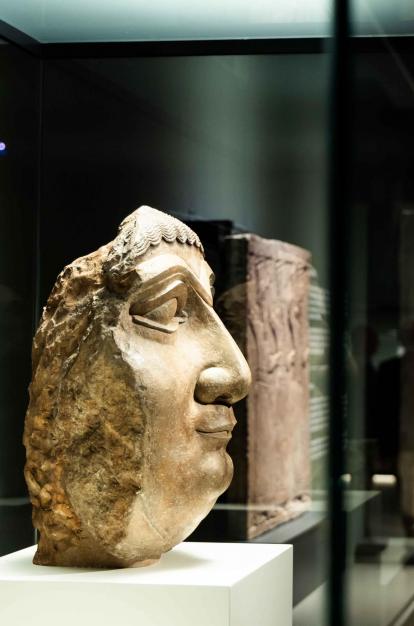
The exhibition, which can be visited until 4 October this year, features seven thematic sections portraying the profile of a complex ruler marked by strong contrasts: a combination of warrior violence and passionate scholarship, and the creator of the first great library of humanity.
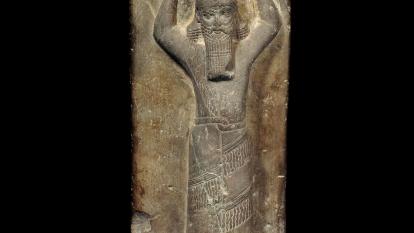
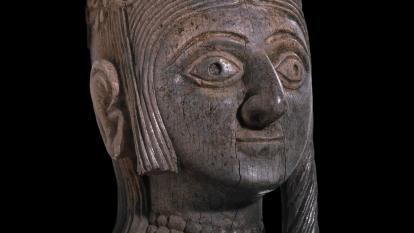
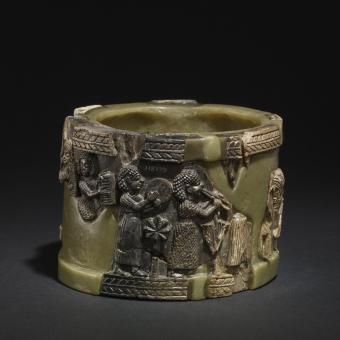
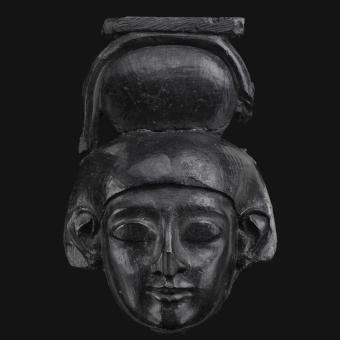
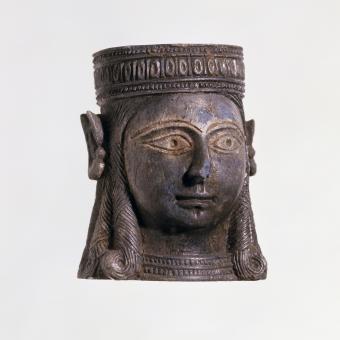
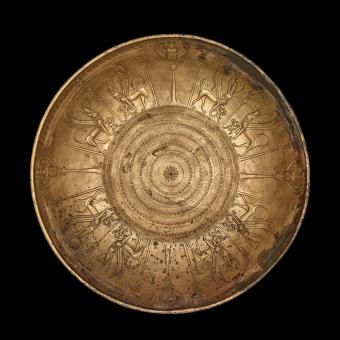
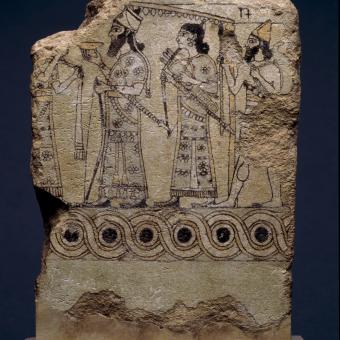
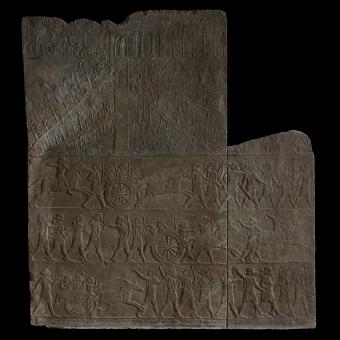
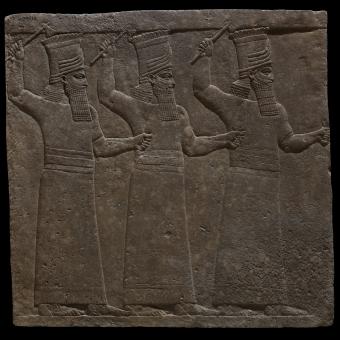
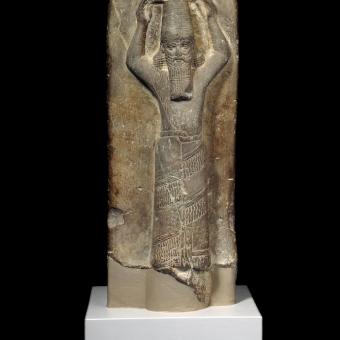
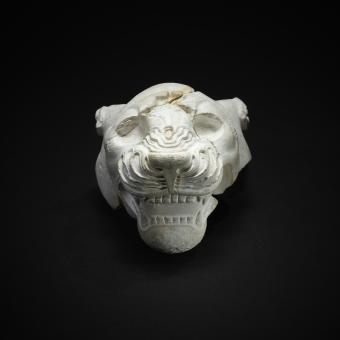
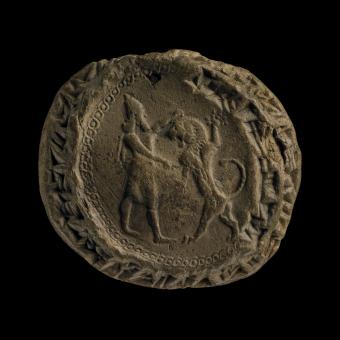
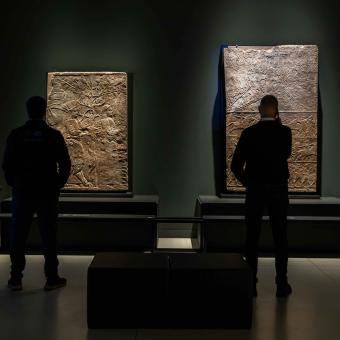
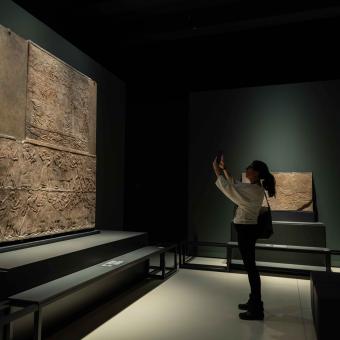
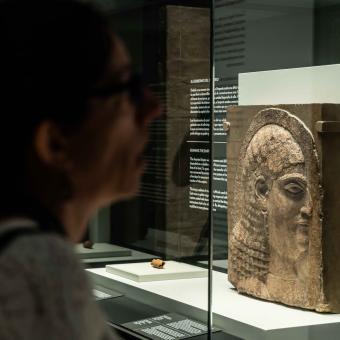
Through 158 Assyrian objects from the British Museum collection, the different sections of the exhibition trace the life and influence of this figure and place his historical significance in context. Visitors will learn about his military training, such as chariot driving, horsemanship and archery, as well as his demonstrations of bravery as a lion hunter. They will also see the opulence of the palaces in which he lived and the royal gardens of Nineveh, an oasis where all kinds of flora from across the empire were cultivated.
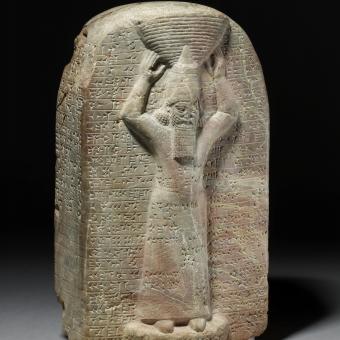
The exhibition also explores the library of cuneiform manuscripts that Ashurbanipal kept in his palace with the ambition of gathering all the knowledge of his time, which has allowed modern scholars to understand aspects of medicine, religion and history from that period.
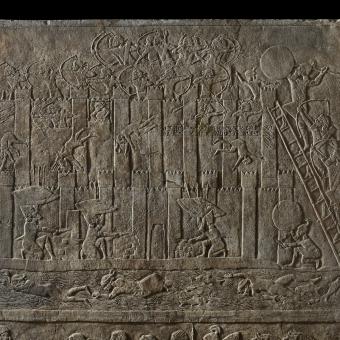
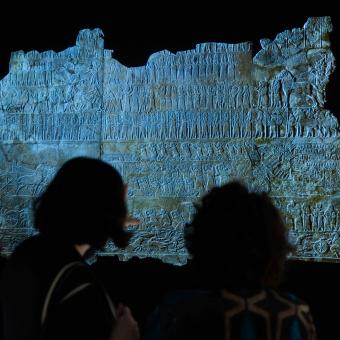
It also reveals his displays of power and the humiliation he inflicted on defeated enemies (even when the enemy was his own brother), alongside his equally significant ability in strategy and diplomacy. Finally, it explains the role played by the British Museum in rediscovering the remains of ancient Assyria and in introducing the world of Ashurbanipal into the European imagination of the nineteenth century.
The exhibition also highlights the importance of preserving cultural heritage for future generations and for helping us understand the global history of humanity.
Mediation and accessibility project
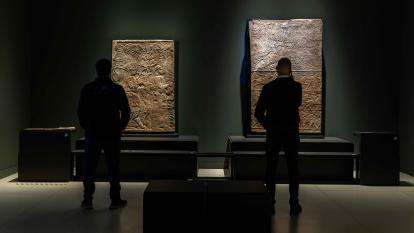
The exhibition includes a mediation project that takes as its starting point the constant engagement of visitors’ curiosity. Its aim is to bring audiences closer to history from a different perspective. The display features 14 mediation points throughout the itinerary designed to encourage interaction and experimentation. Among them, for example, two audiovisual pieces have been developed that place the focus on women, giving them a voice through two fictional monologues: visitors will meet Ashurbanipal’s mother, Esharra-hammat, and also a harpist servant.
In addition, through specially created animated historical illustrations, the ancient imperial capital of Nineveh has been reconstructed. Visitors will have the opportunity to write in cuneiform through interactive mediation activities and to learn about two Spanish figures who, in one way or another, helped introduce Assyrian culture to Spain.
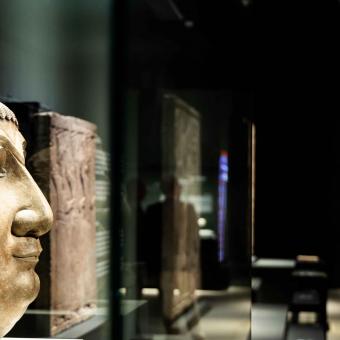
The exhibition also incorporates specific accessibility measures through adaptations aimed at reducing cognitive and visual barriers, promoting personal autonomy and enabling a cultural experience accessible to a wider audience. In doing so, it reflects one of the missions of the ”la Caixa” Foundation: to democratise culture and bring it to the largest possible number of people, particularly those in vulnerable situations. For this reason, the display includes 3D reproductions of fragments of five reliefs, which are also presented with tactile raised elements, Braille and audio description for blind visitors. The exhibition also provides gallery texts in easy-read format, Braille and large print.
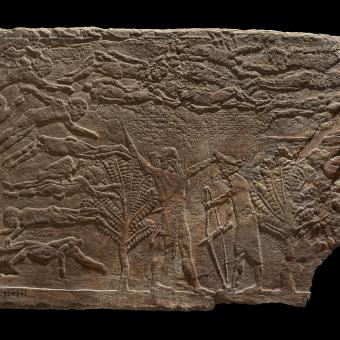
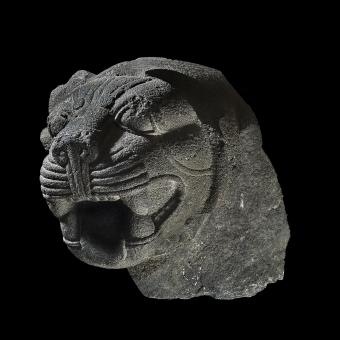
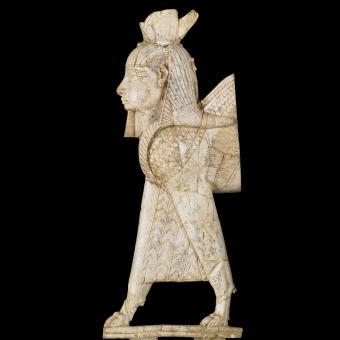
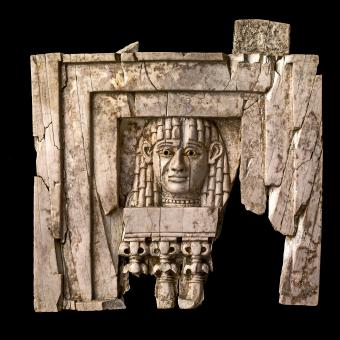
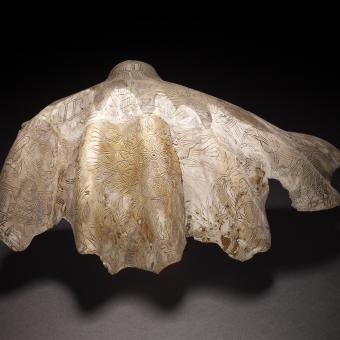
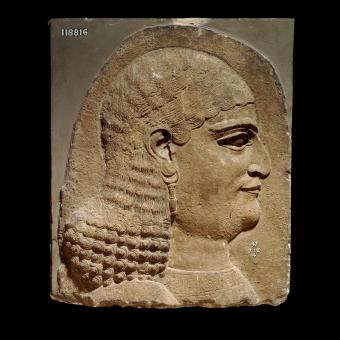
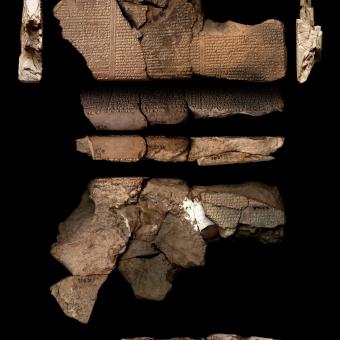
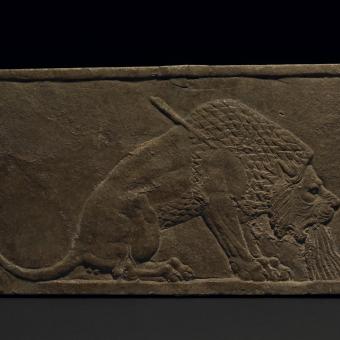
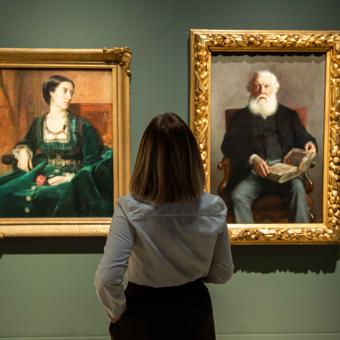
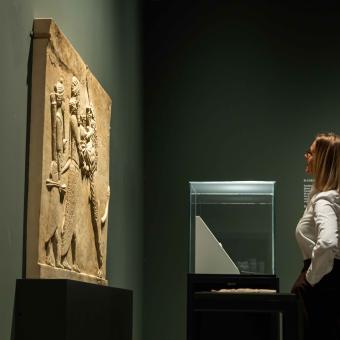
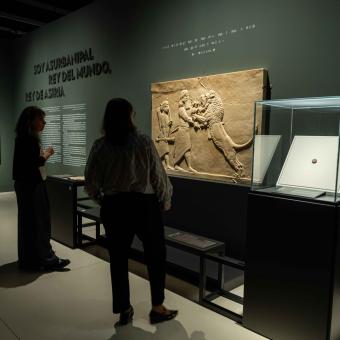
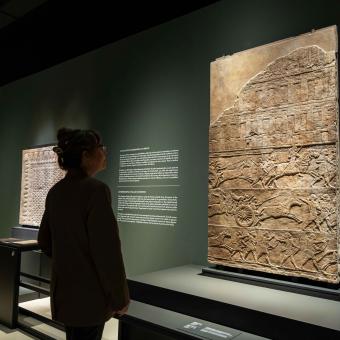
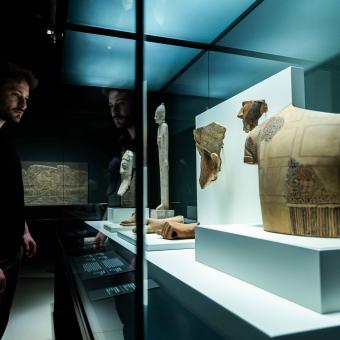
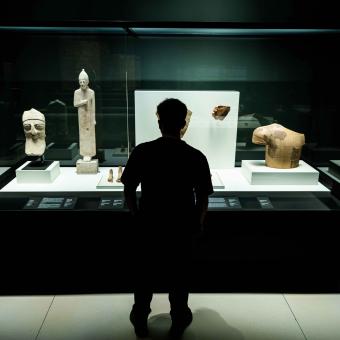
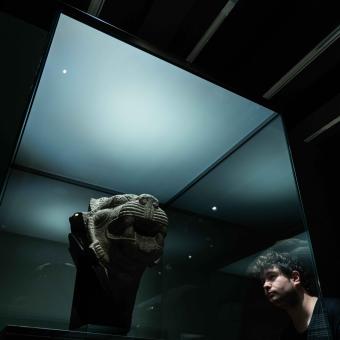
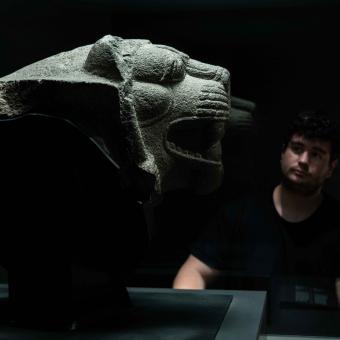
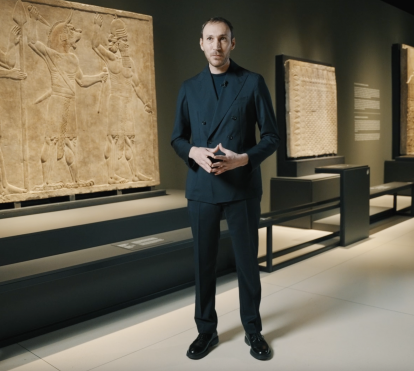
Statements by Dr. Sébastien Rey, curator of the Department of Ancient Mesopotamia and the Middle East at the British Museum
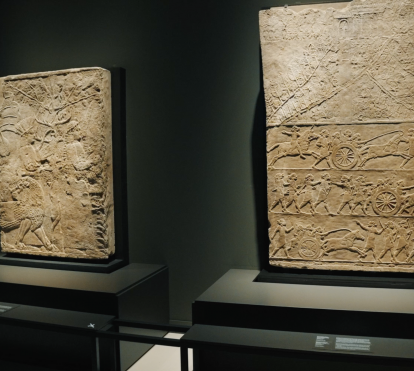
Raw footage from the exhibition "am Ashurbanipal, king of the world, king of Assyria" at CaixaForum Madrid
![Henri Matisse, Luxe, calme et volupté [Pleasure, Peace and Opulence], autumn-winter of 1904. Centre Pompidou, Paris. Musée national d’art moderne / Centre de création industrielle. On deposit in the Musée d’Orsay, 1985, AM 1982-96.](https://imagenes-mediahub.fundacionlacaixa.org/files/image_354_278/files/fp/uploads/2025/09/04/68b947795217e.r_d.302-522-5463.jpeg)
- Imágenes
- Videos
- Notas de prensa
Madrid03.09.25Matisse, blurring in art, Ashurbanipal, and an ode to nature in the new season at CaixaForum Madrid
In the 2025–2026 season, CaixaForum Madrid will host exhibitions dedicated to the career, evolution, reach and influence of French painter Henri Matisse; to artists who embraced the technique of blurring, taking inspiration from Claude Monet’s Water Lilies series; and to an immersive ode to nature.
Read more